文章

From Objects to Operating Systems: A Model for Living Heritage at Kalm Village

Across Southeast Asia, craft and its commodification have a fraught history. But there is a way forward

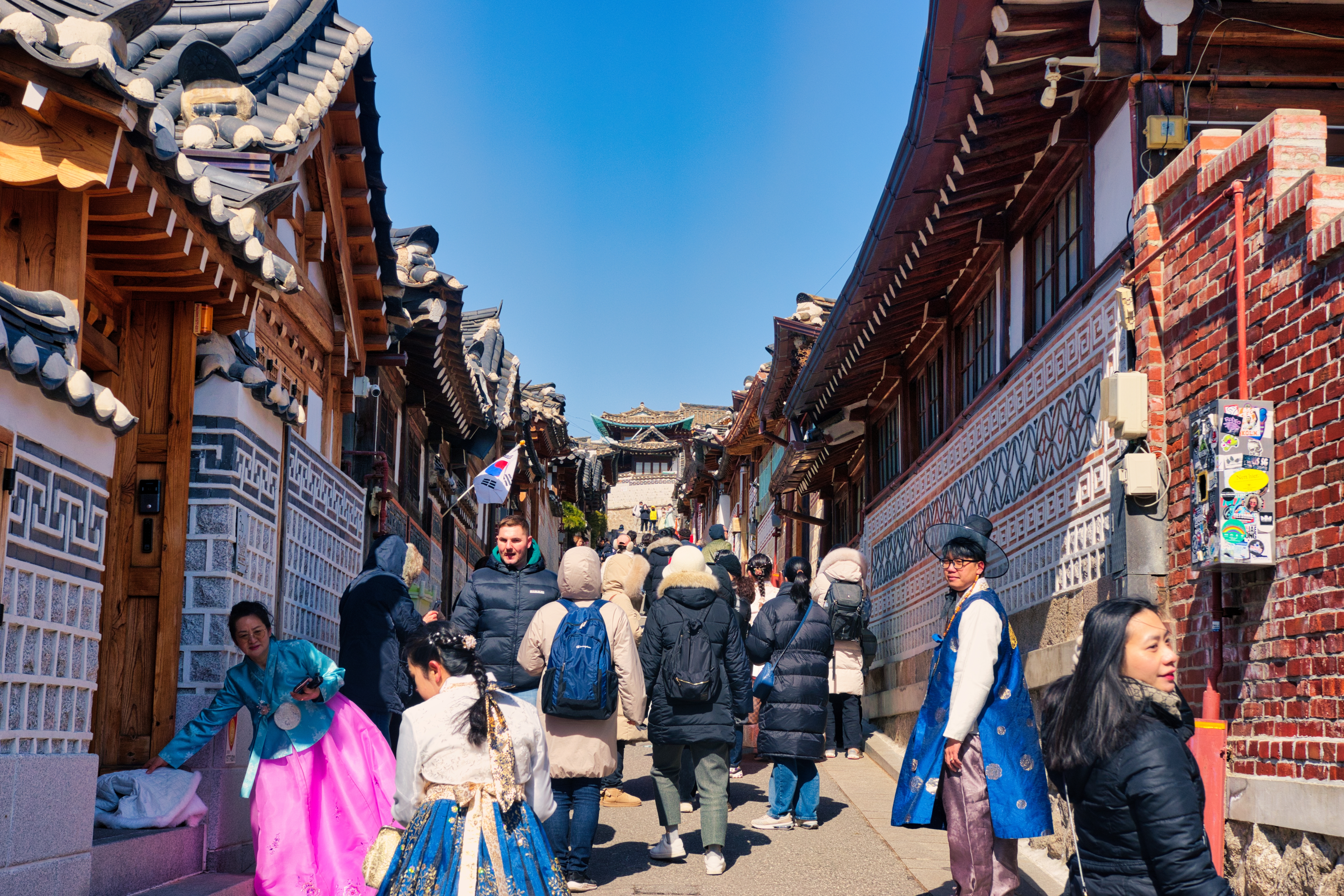
It’s become a tired tale: in the attempt to package heritage, craft becomes commodity, village streets become choked passageways, residents turn into trinket peddlers. We see this in Malacca’s Jonker Street and along Hoi An’s riverside, where the logic of high-volume, low-cost souvenirs has driven original craftspeople to the margins. These are not only aesthetic failures but demographic ones. In Seoul’s Bukchon Hanok Village, preservation policy has safeguarded its tiled roofs, yet over-tourism has pushed out nearly 30 per cent of residents. Much preservation policy has long suffered from a ‘hardware-first’ myopia, fixing facades while neglecting the ‘software’ of heritage: the social fabric, economic networks and demographic stability that sustain living culture.

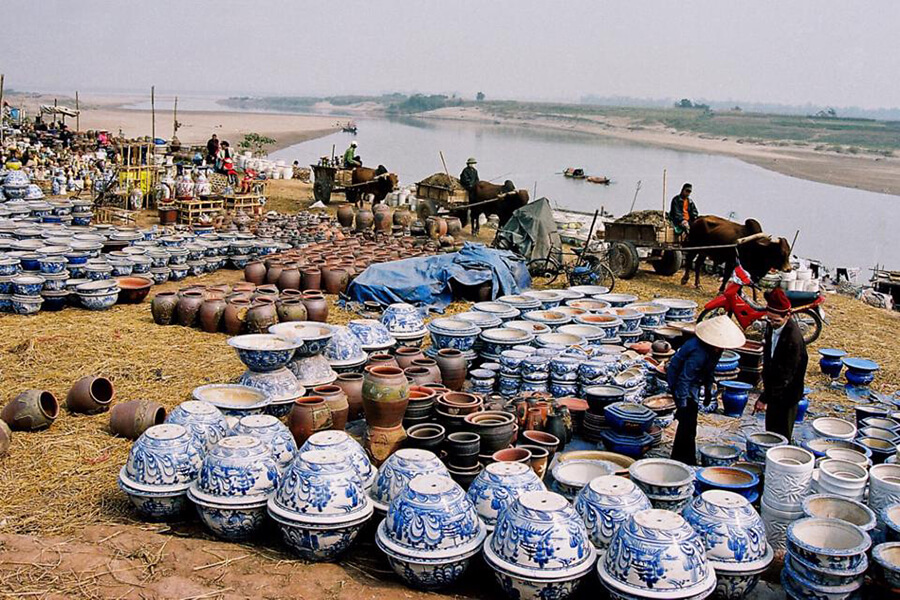
There are, of course, precedents in Southeast Asia that walked the line between presenting craft and commodifying it. In Thailand, the SUPPORT project founded in 1976 by Queen Sirikit, pursued a holistic model offering market access, training and quality control to farmers during the off-season, sustaining traditions such as mudmee silk. Another example is Bát Tràng Pottery Village in Vietnam, which was organised into formal cooperatives. The crucial difference is that these initiatives were overwhelmingly top-down and heavily subsidised, products of the Cold War where craft served as both cultural diplomacy and economic defence. Their flaw was brittleness: few survived liberalised markets. After the 1986 Đổi Mới reforms, Bát Tràng’s cooperatives gave way to household-run workshops; output grew, but the village became an industrial supply chain of standardised mass goods.

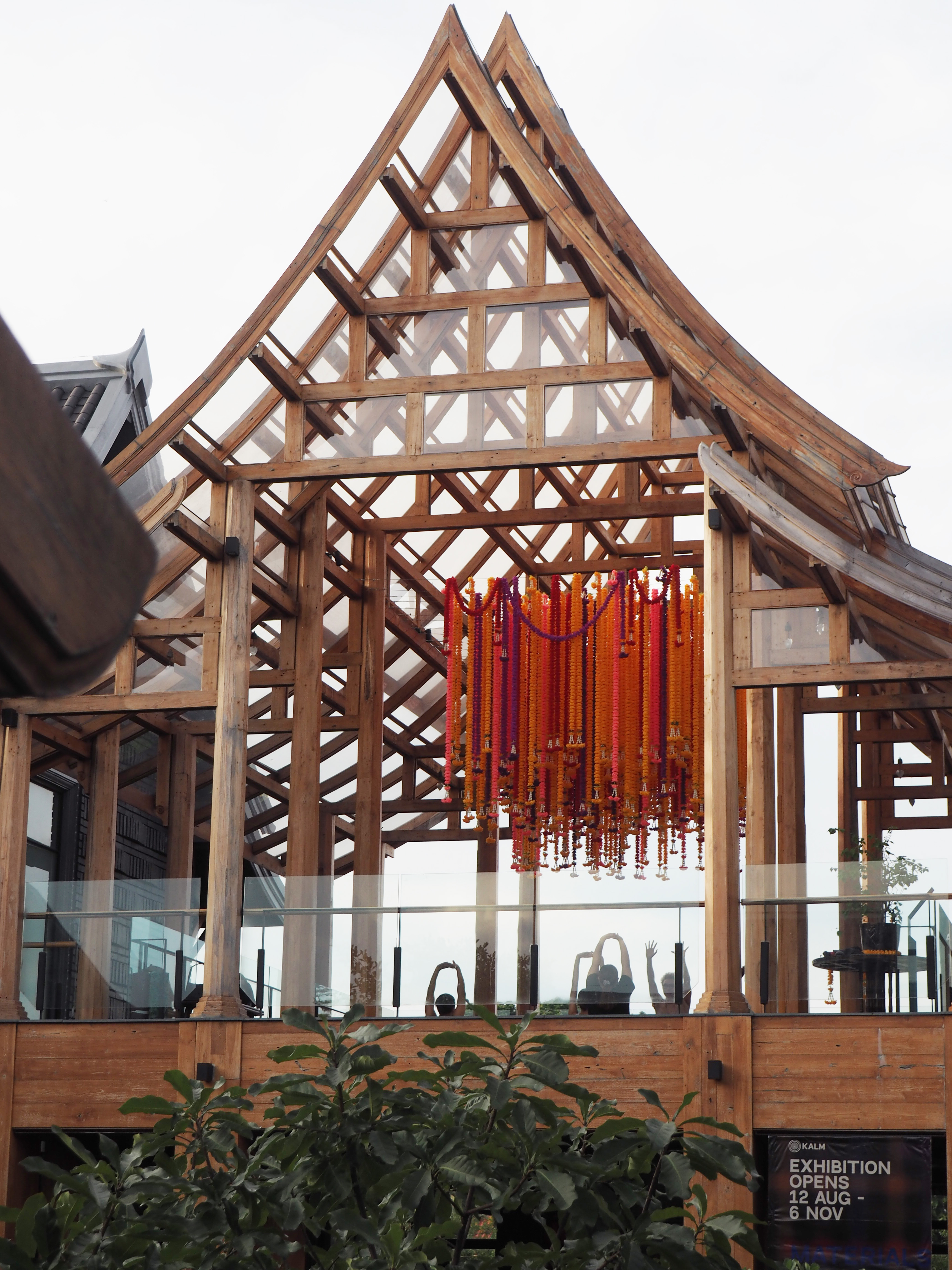
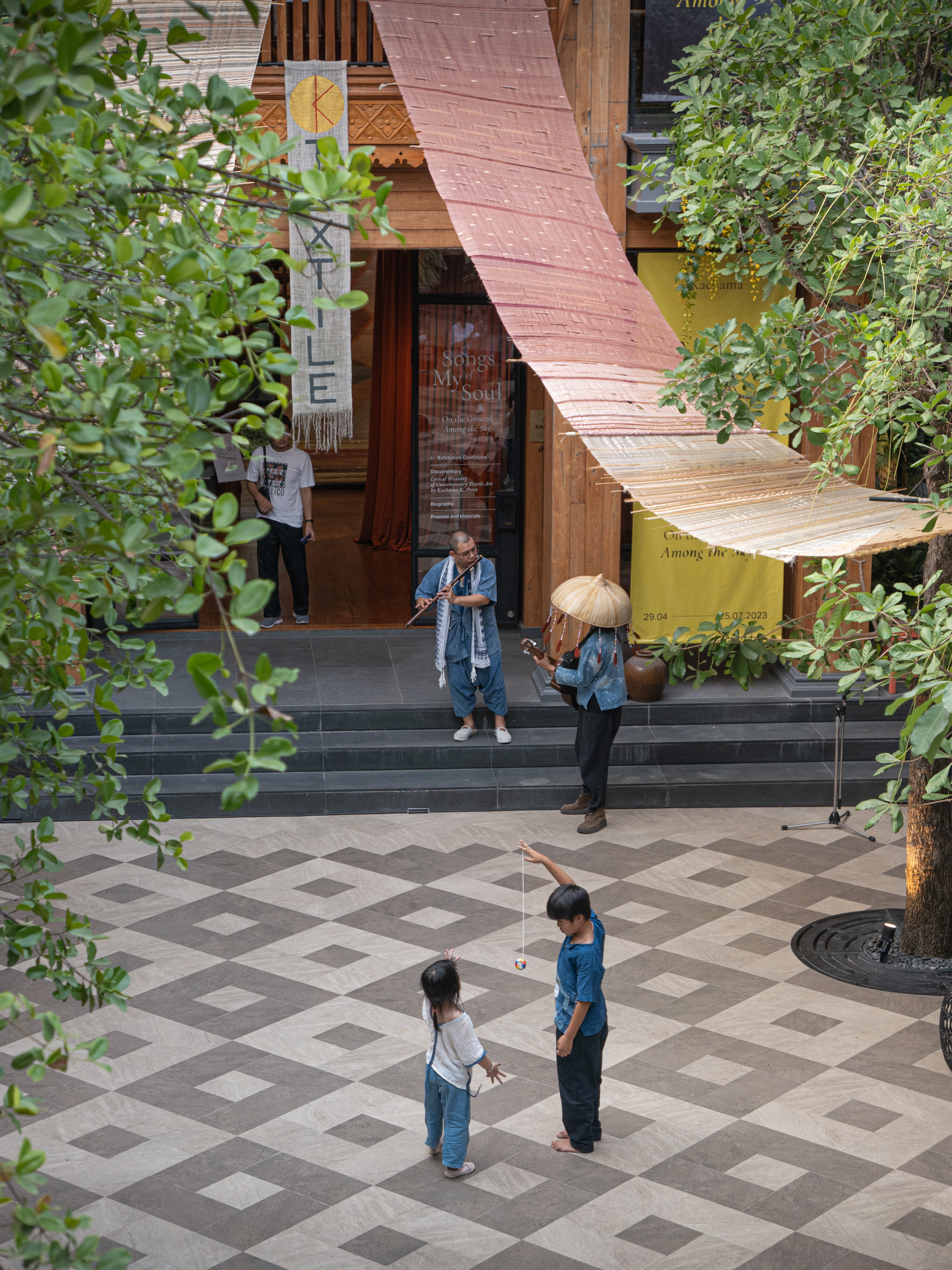
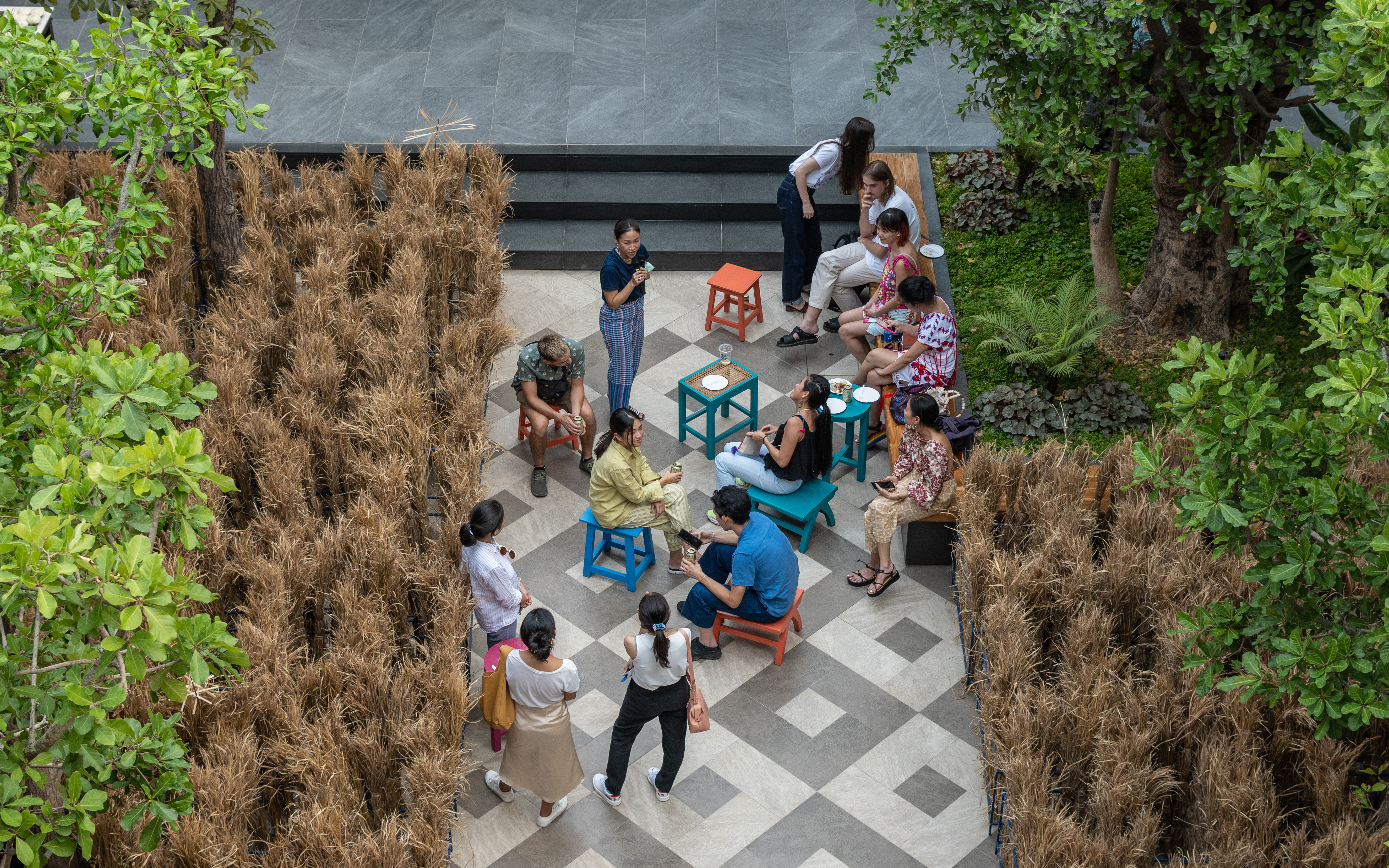
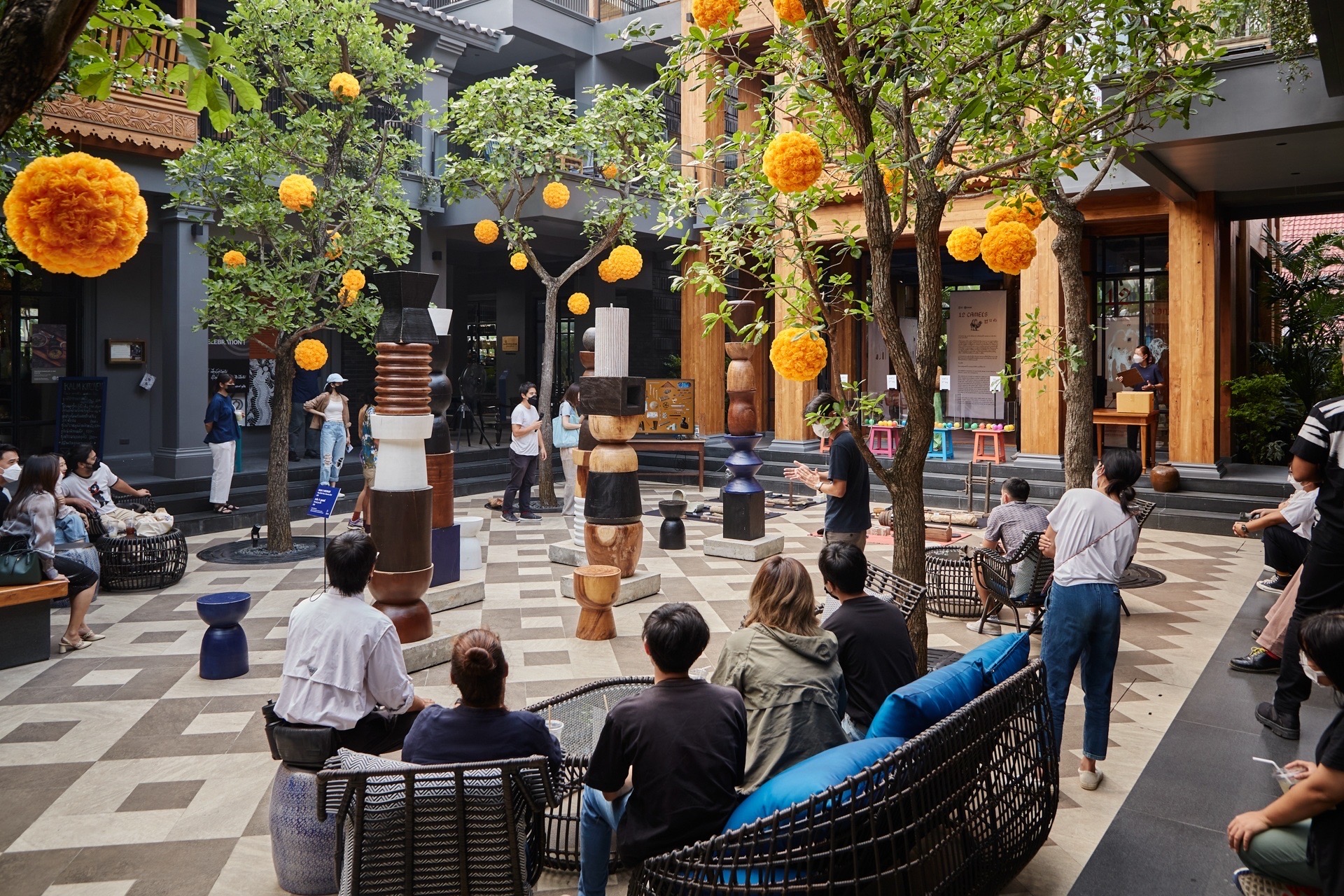
Kalm Village, founded by siblings Achariyar ‘Sai’ and Araya ‘Kruad’ Rojanapirom, inherits this history but corrects for dependency. It’s a craft complex of nine buildings arranged around two courts, housing cafes, retail, studios, galleries and classrooms that stage process as much as product. Its mixed-revenue structure lets commercial components — cafe, shop, venue hire — support lower-yield ‘slow-culture’ work such as exhibitions and residencies. The flow runs both ways: process-centred work gives the place life and distinction, drawing visitors seeking something less commodified. It’s a model that uses the market to protect craft from the market.

Kalm’s intervention is also informational. Each product is labelled with its maker, material and village, offering provenance, story and context. The transaction shifts from anonymous consumption to personal patronage.

As Dean MacCannell observed in his 1976 book The Tourist, tourism constructs a staged ‘front region’ to meet the desire for authenticity. Kalm embraces this front region but makes the staging transparent, reconnecting the visitor to the back region — the artisan, the process, the place of origin. It’s not purity that marks this place, but design. We will not outrun tourism; we can only choreograph it. Choreography is governance: think price signals that reward time and skill, information that names makers and places, and rules that prevent extraction. Mechanisms matter, intentionality matters. Preservation policy must move from objects to operating systems. If all the world is a stage, let’s manage it.