文章

Placemaking with AI: Can It Replace The Human Touch?

AI is being tested in placemaking around the world, and has been able to streamline the process. But we need to be mindful of its limitations

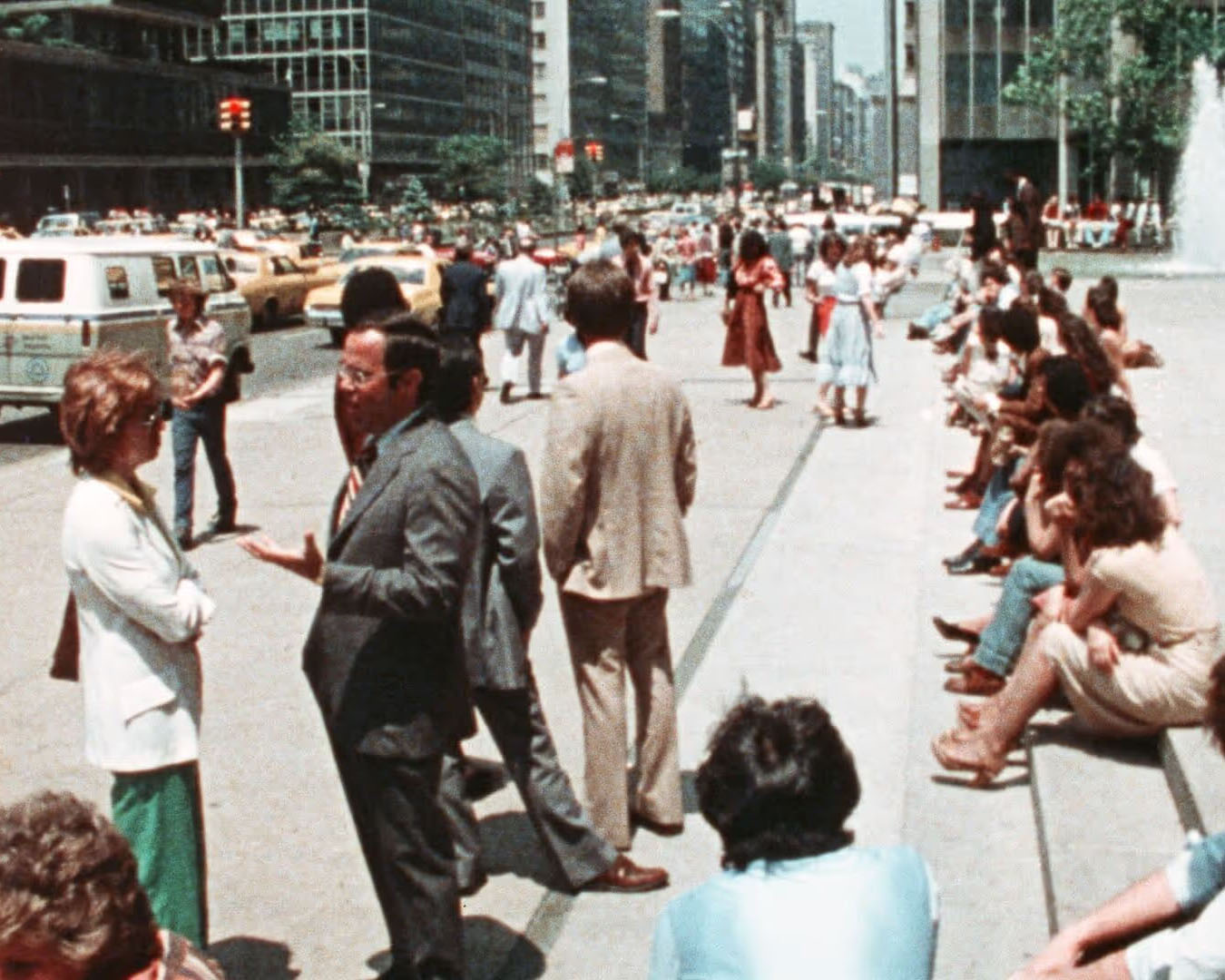
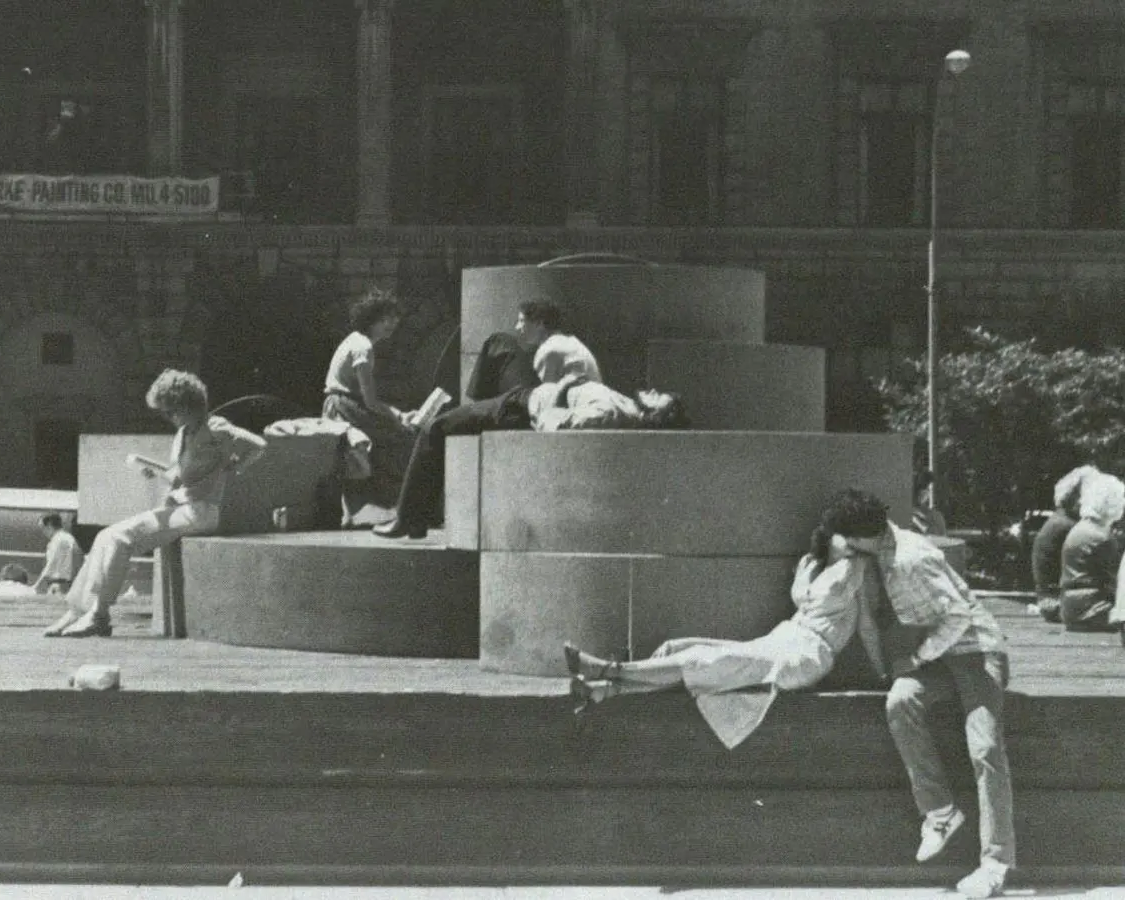
In 1969, nearly two decades after he coined the term ‘groupthink’ and 13 years after publishing his seminal book The Organization Man, sociologist William H Whyte took a walk in New York. Joining him was a squadron of research assistants wielding notepads, movie cameras and still cameras. Their task: record how people were actually using public space.

Their findings transformed the way we think about cities. The Street Life Project, as Whyte’s initiative was known, launched the movement we now call placemaking: a people-oriented, collaborative approach to designing and managing public spaces with the goal of making them lively, comfortable and inclusive. It was a break from the prescriptive, top-down methods that had long been the norm in urban planning and design. The framework built by Whyte still guides architects, planners and community advocates around the world.

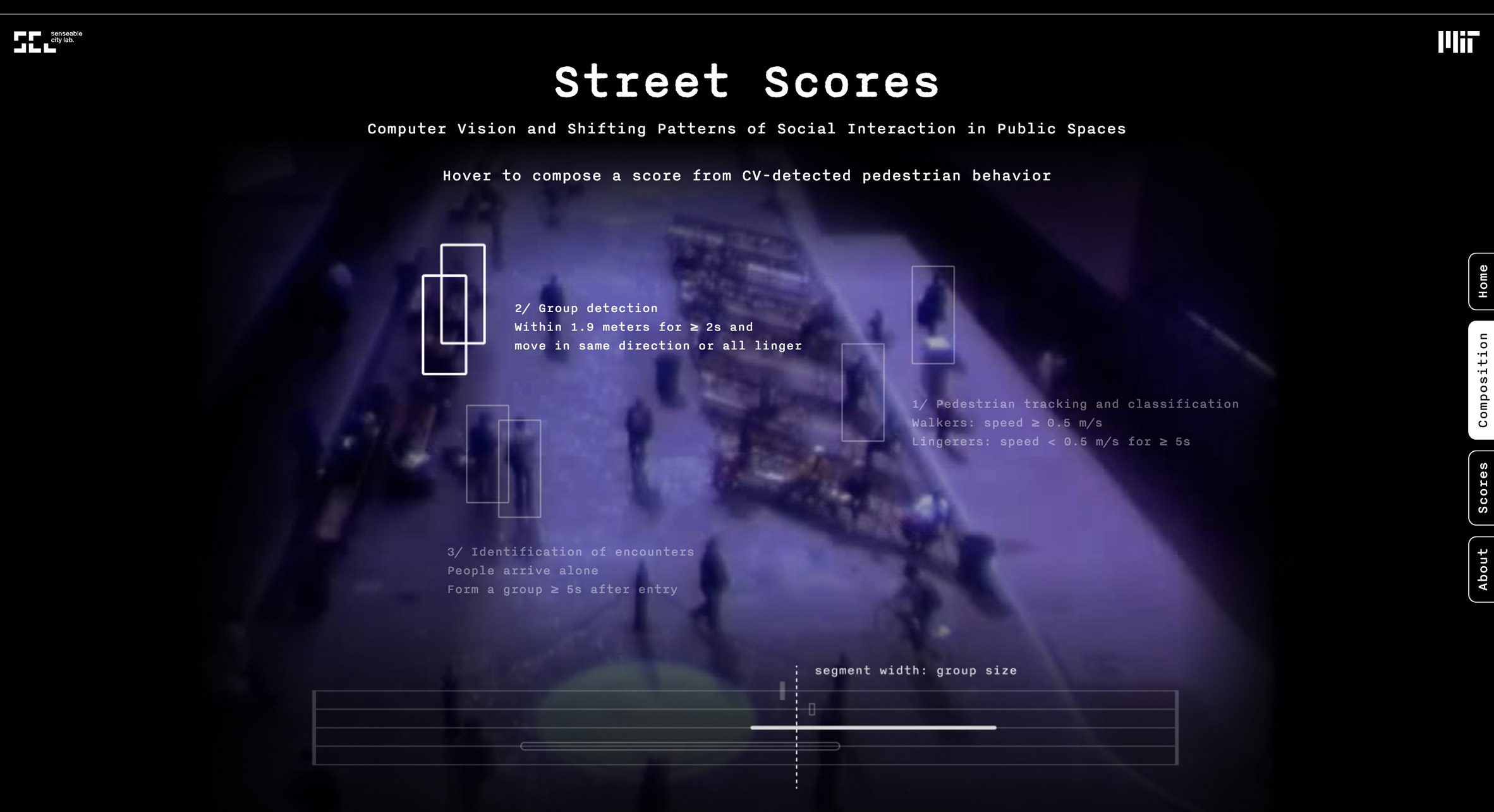
But now there’s a new tool in the kit: artificial intelligence. What happens if you combine Whyte’s old-school observational techniques with the power of AI? That’s exactly what motivated architect Carlo Ratti and his team of fellow researchers at MIT’s Senseable City Lab when they devised a 21st-century update to Whyte’s work.

By using AI to analyse Whyte’s historic footage as well as new recordings of how people are using public space today, the researchers discovered ‘the texture of our interactions has changed’, as Ratti wrote in The Guardian earlier this year. People walk faster and interact less than they did 50 years ago. AI helped identify the change, and Ratti — ever the techno-optimist — sees it as a potential solution: ‘If we use AI to analyse outdoor public spaces,’ he writes, we can 'give every park, plaza and street corner its own, personal William Whyte to test improvements there.’

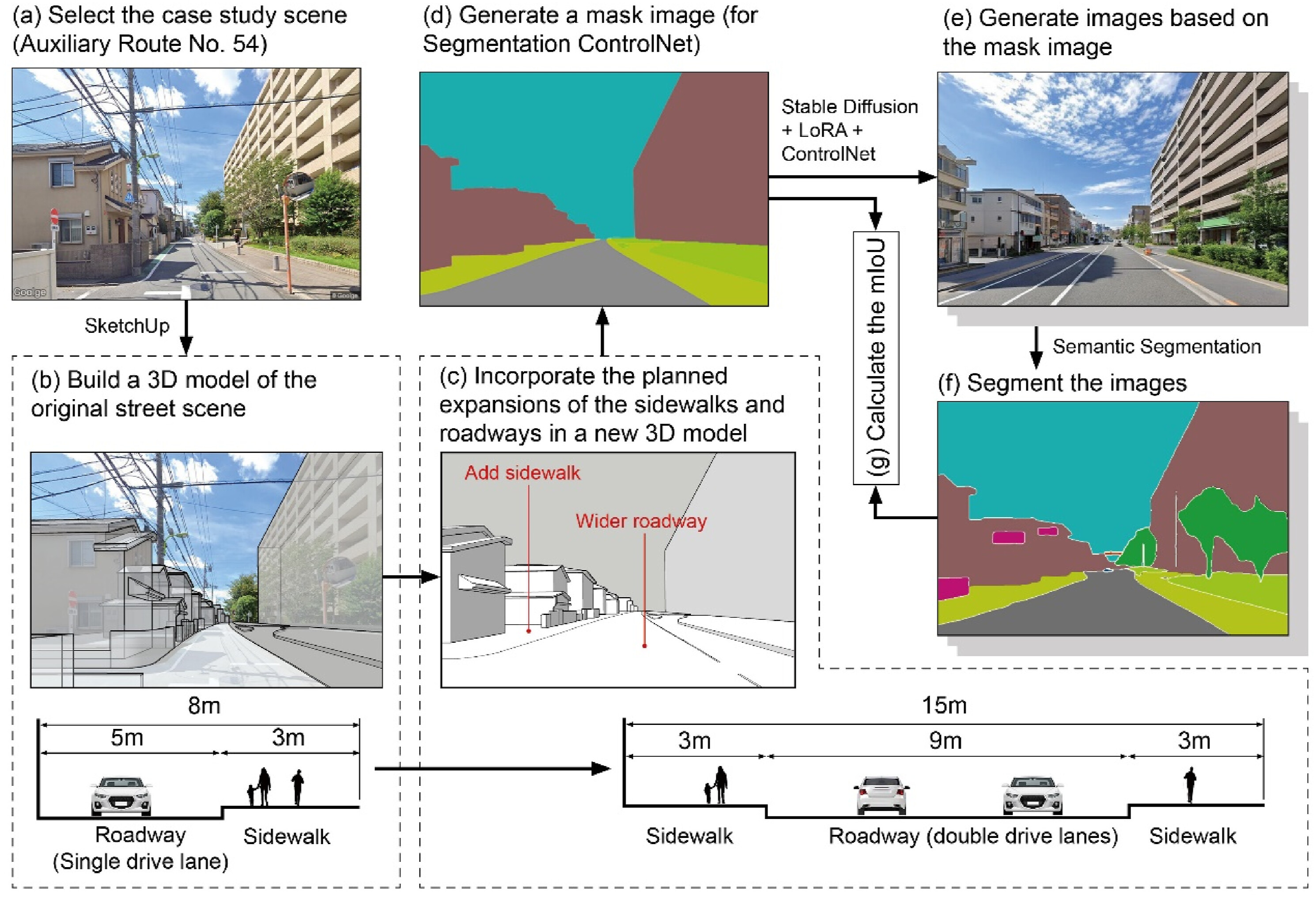
Something similar has already been done in Hong Kong and Singapore, where researchers used AI to analyse 800 public open spaces to evaluate the quality of their accessibility, amenities, design, usage and more, finding that their proposed model was generally consistent with feedback provided by residents and suggesting that AI analysis may save a significant amount of fieldwork. Tokyo has used generative AI to alongside analysis of how people walk through different neighbourhoods in order to visualise and test pedestrian improvements in specific places. A generative AI tool called UrbanistAI was also used to facilitate the citizen-led redesign of three streets in central Helsinki.

These are logical applications for the technology, says Oval Partnership project director Jay Liu. ‘Architecture embodies two facets: creative ideation and rigorous execution. The latter is deterministic, making it ideally suited for AI augmentation,’ he says. ‘But generative AI is now democratising the creative domain, inviting broader participation, which will yield increasingly diverse project outcomes. I also foresee a new breed of “forward-deployed architect” will emerge — professionals whose roles are liberated by AI from back-office work to focus on empathetic dialogue with clients, end-users, and policymakers.’

As Liu notes, the last point is critical: the human touch ‘remains irreplaceable’, he says. ‘AI simply amplifies its reach and impact.’

Indeed, AI can’t replace political leadership, design vision and collaboration between different stakeholders. Even the great sage ChatGPT agrees. ‘AI is giving urban designers new ways to read the city’s pulse,’ notes the generative AI platform when it’s prompted to shed light on the topic of AI and placemaking. ‘But it’s still up to people to decide what kind of heartbeat they want.’