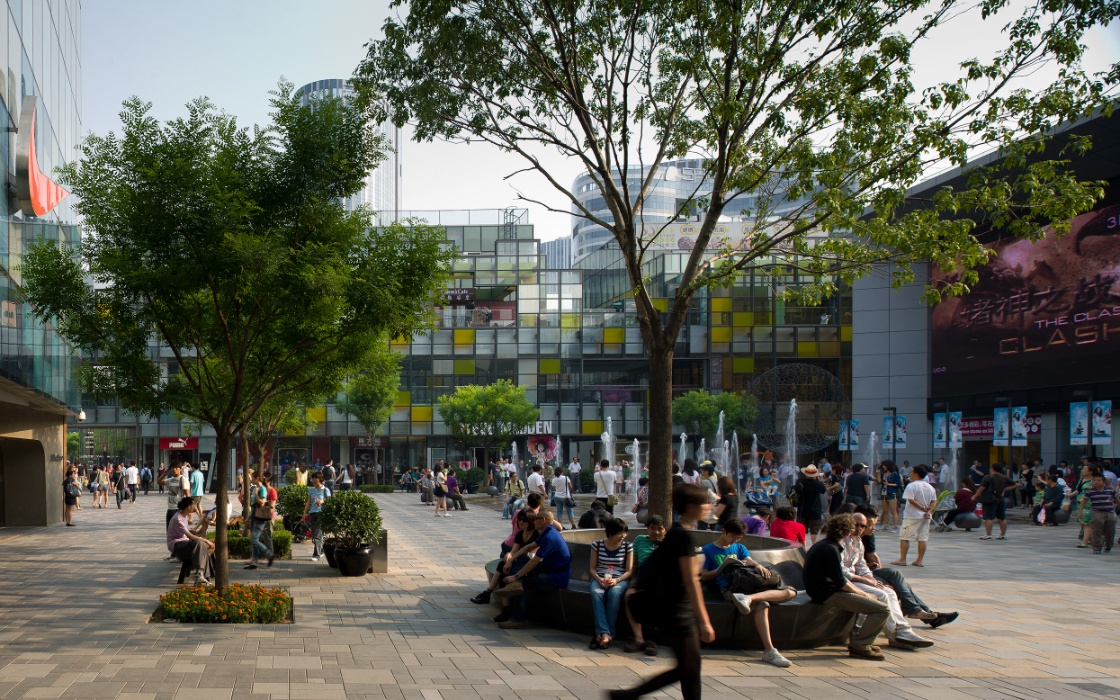
Taikoo Li Sanlitun South in 2010’s
"The invisible gardens of Sanlitun (Social) space is a (social) product, or a complex social construction (based on values, and the social production of meaning) which affects spatial practices and perceptions."
- La Production de l'espace (The Production of Space), Henri Lefebvre
Sanlitun never stands still. In December 2025, new flagship stores opened at Taikoo Li North, adding another layer to Beijing's most visible symbol of fashion and change. But the real charm of Sanlitun lies not just in those glossy street-facing storefronts — but more in what's hidden away in the crisscrossing alleys: the courtyards, cafés and bars that rise quietly, disappear without farewell and live on only in memory.
.jpg)
These small, self-made places give the neighborhood its soul. In Sanlitun's tightly packed streets and alleys, shaped by time, both space and stories keep getting rewritten — a constant churn of comings and goings, chance discoveries that give the district its pulse. It's a reminder that cities need these small, organic spaces to stay vibrant and surprising. Without them, even the most polished commercial district is just architecture.
Nali and the Alameda
Winter 2007. I first came to Sanlitun for a project survey when Taikoo Li was still a construction site, heavy trucks rumbling past.
After lunch one day, a friend and I wandered into an alley east of the bar street. Thirty metres in, a spacious courtyard opened up, lined with small eateries and clothing shops. Across stood a six-storey slab building with a door in its gable wall: inside were stalls selling export clothes, jewellery and Chinese-style home decor that drew foreign visitors. Further south was Alameda, a Western restaurant with a glass roof letting in soft daylight.
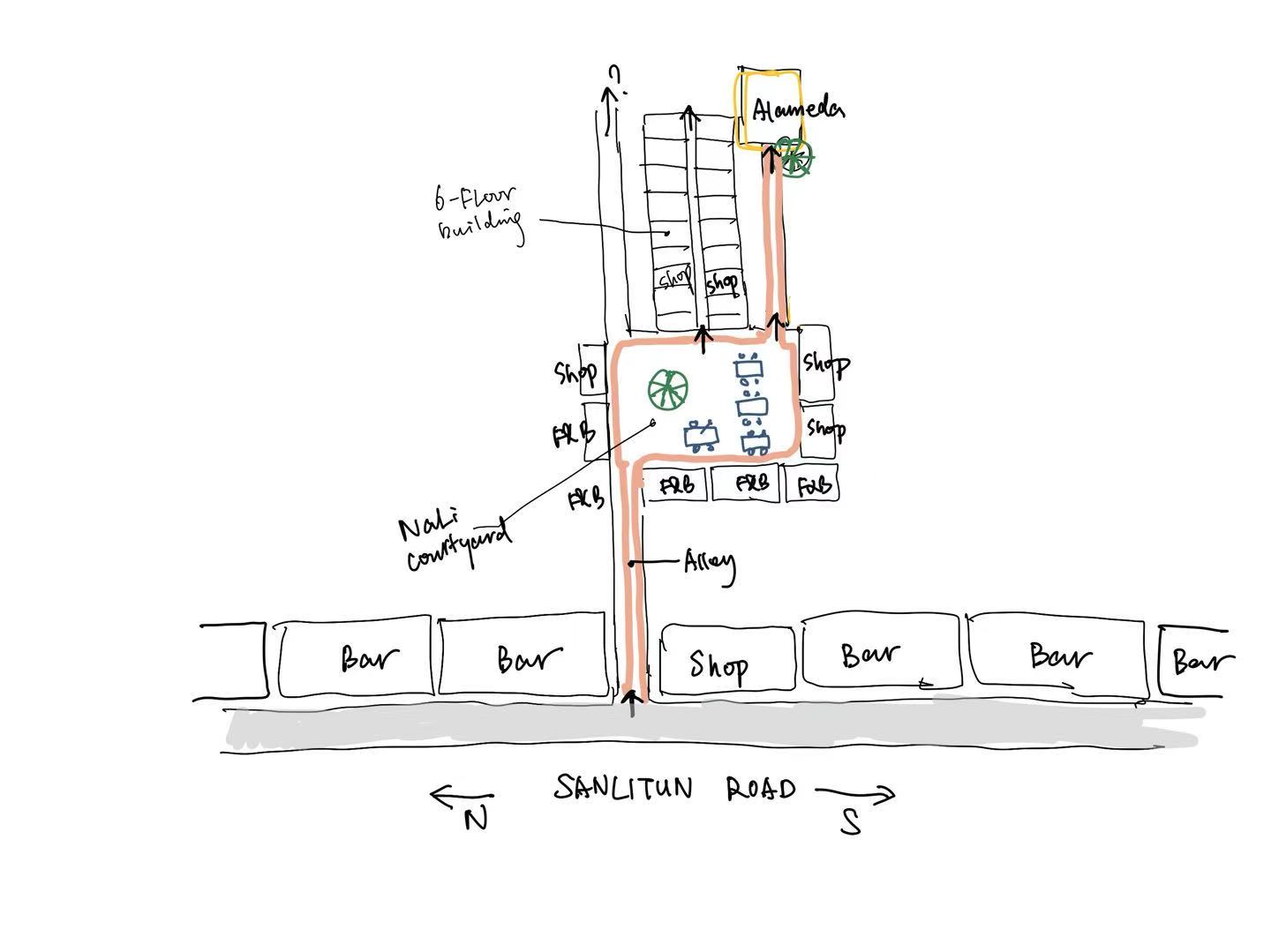
.jpg)
The hidden courtyard felt as if it had grown from the bungalows and apartment blocks around it — an organic piece of the city discovered by accident. I never went back in the years that followed.
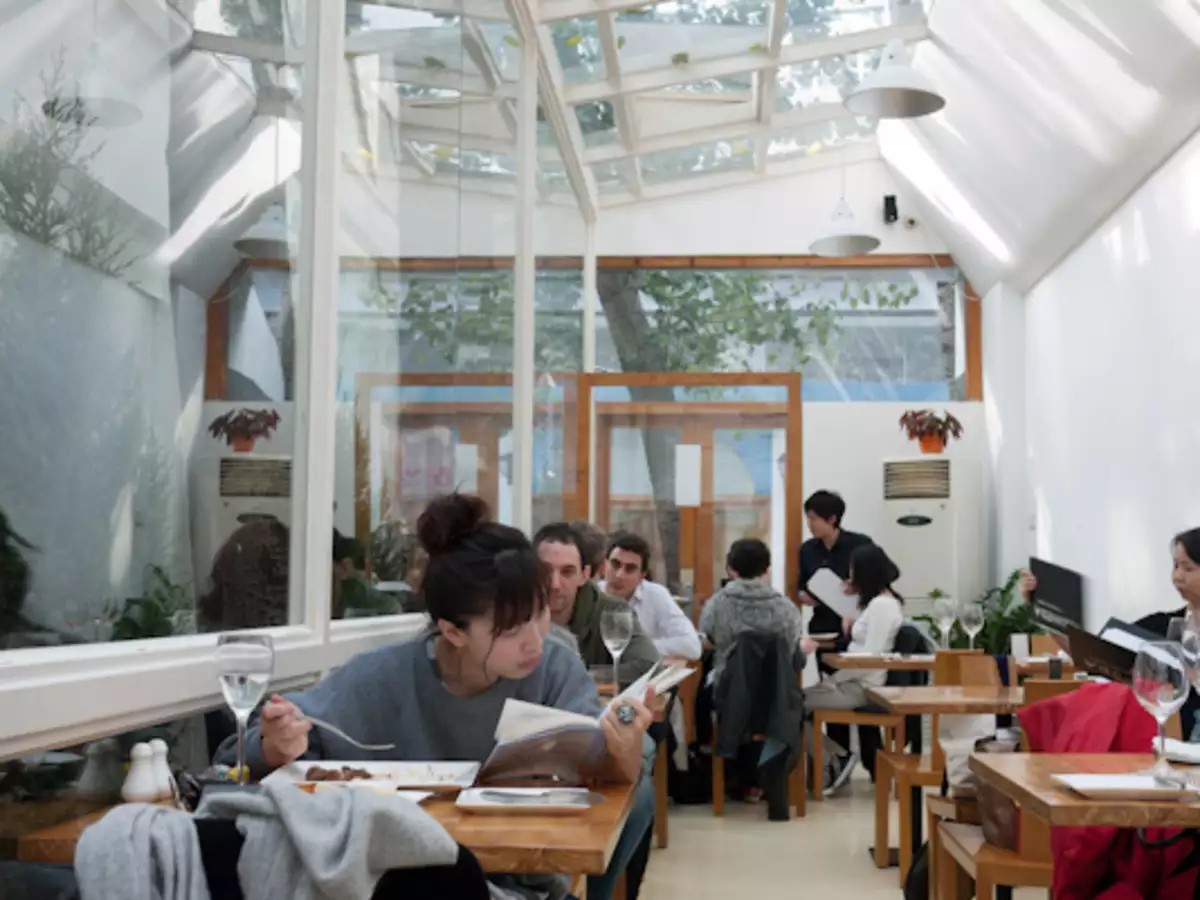
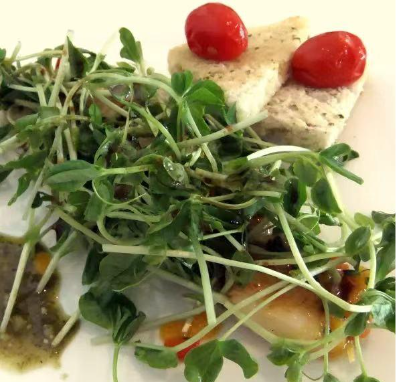
By 2012, Taikoo Li was thriving. I’d returned to China and met up with friends in Sanlitun. I suggested that Western restaurant tucked deep in the alley. It served Brazilian fusion. As dusk fell, moonlight streamed through the glass roof, candles flickering. The dishes were exquisitely plated — exactly the fancy, stylish meal that was all the rage then.
A few years later, Nali Patio appeared across Sanlitun Road — a white fourstorey building with a courtyard garden hidden behind a modest doorway. Inside, lush greenery and elegant outdoor seating created a tranquil retreat — a lovey hidden gem.
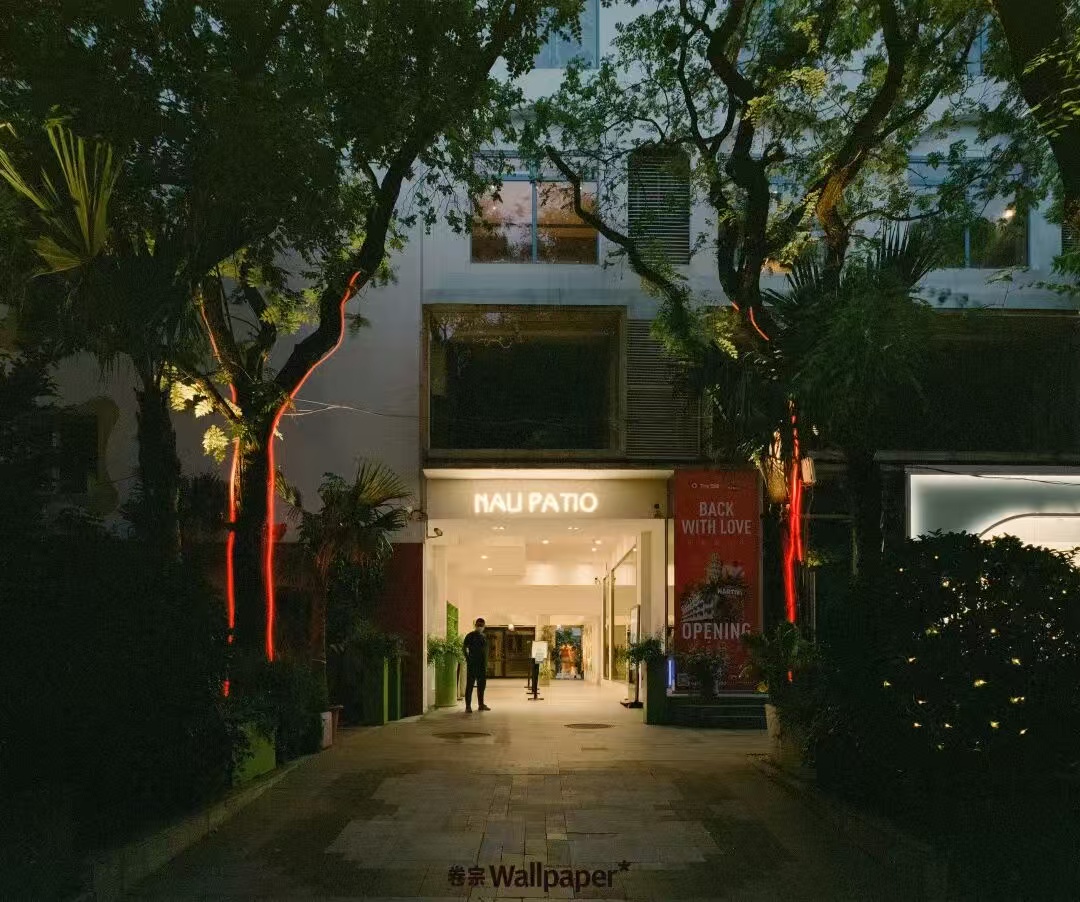
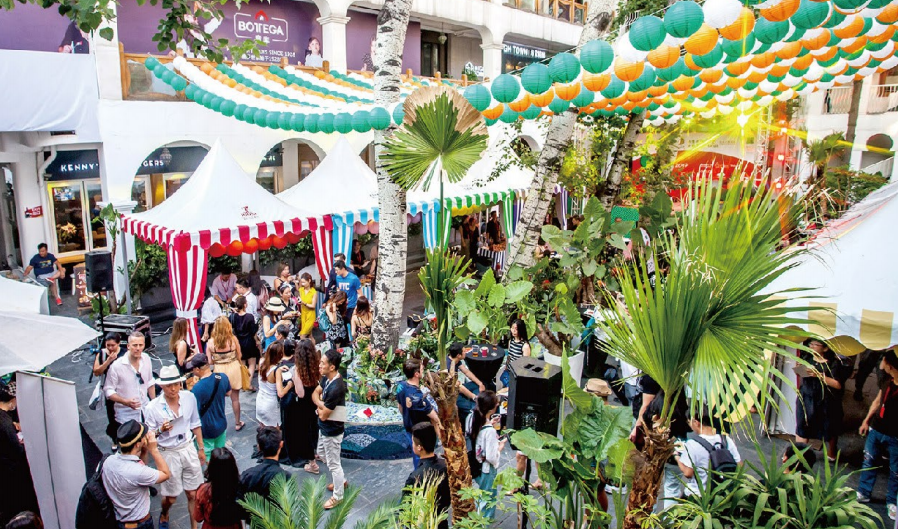
The scene instantly reminded me of the courtyard where Alameda used to be. I walked around Sanlitun Road three times, retracing my steps, but couldn't find that alley entrance. Every narrow lane now led only to uniform residential compound walls.
The bar street renovation had kicked off, erasing those markers of memory. Today, the popular Nali Patio has long been demolished. Search engines came up empty for Alameda, but memories of the place keep surfacing.
Eventually, I learned the truth: that small courtyard I discovered years earlier was the original Nali Patio. The circle quietly closed.
The Disappearing Tree
"The body knows and remembers. Architectural meaning derives from archaic responses and reactions remembered by the body and the senses. When these everyday spaces vanish, we lose not only functional vessels but also the “sensory anchors” of collective memory."
- The Eyes of the Skin: Architecture and the Senses, Juhani Pallasmaa
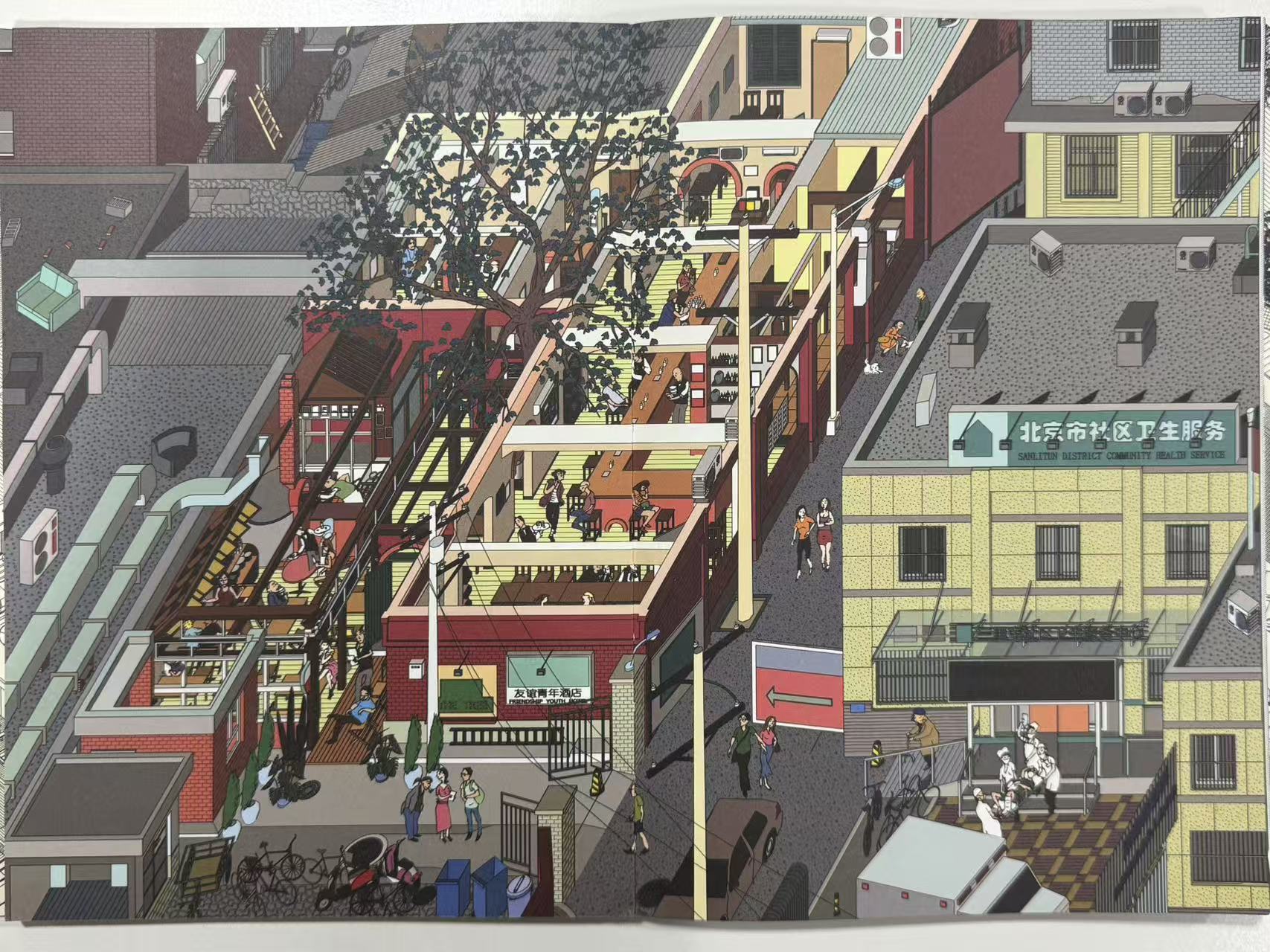
I've never been one for late-night partying. Back in 2008, colleagues talked about The Tree, a bar in Sanlitun famous for its Long Island Iced Tea. It was supposedly tucked in the old residential buildings west of the 3.3 Building. I never visited. Why was it called The Tree? Did a tree actually grow through the bar? The thought would pop up from time to time.
In 2013, working on a project in Beijing with K, I finally got the chance. We handed in design drawings on a Friday. That evening K said, "Come on, let's go to The Tree." The place was packed. We parked by the roadside near the Electromechanical Institute, crossed Gongti North Road, walked past Taikoo Li and Dirty Street, then turned into a dimly lit back alley.
The bar was bustling. I ordered a beer and chatted with K about old times. I can barely recall whether a tree really grew inside, or if its crown stretched above the roof. What lingers faintly is the interior: a touch of traditional European red-brick style, tables and chairs like a cozy bistro. Some customers ate pizza. The air was filled with loud conversations in mixed languages and accents. Everyone wore looks of relaxed excitement.
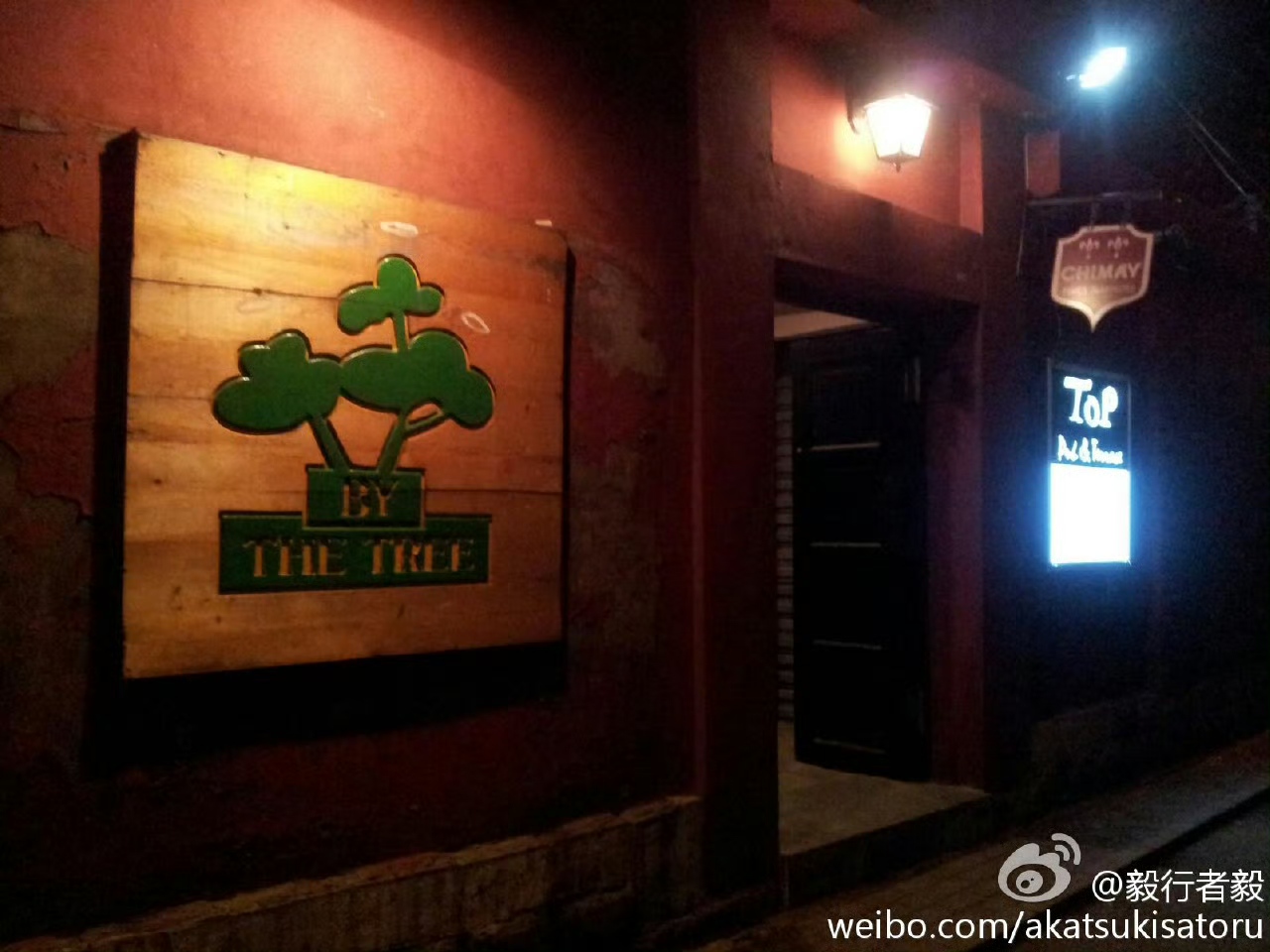
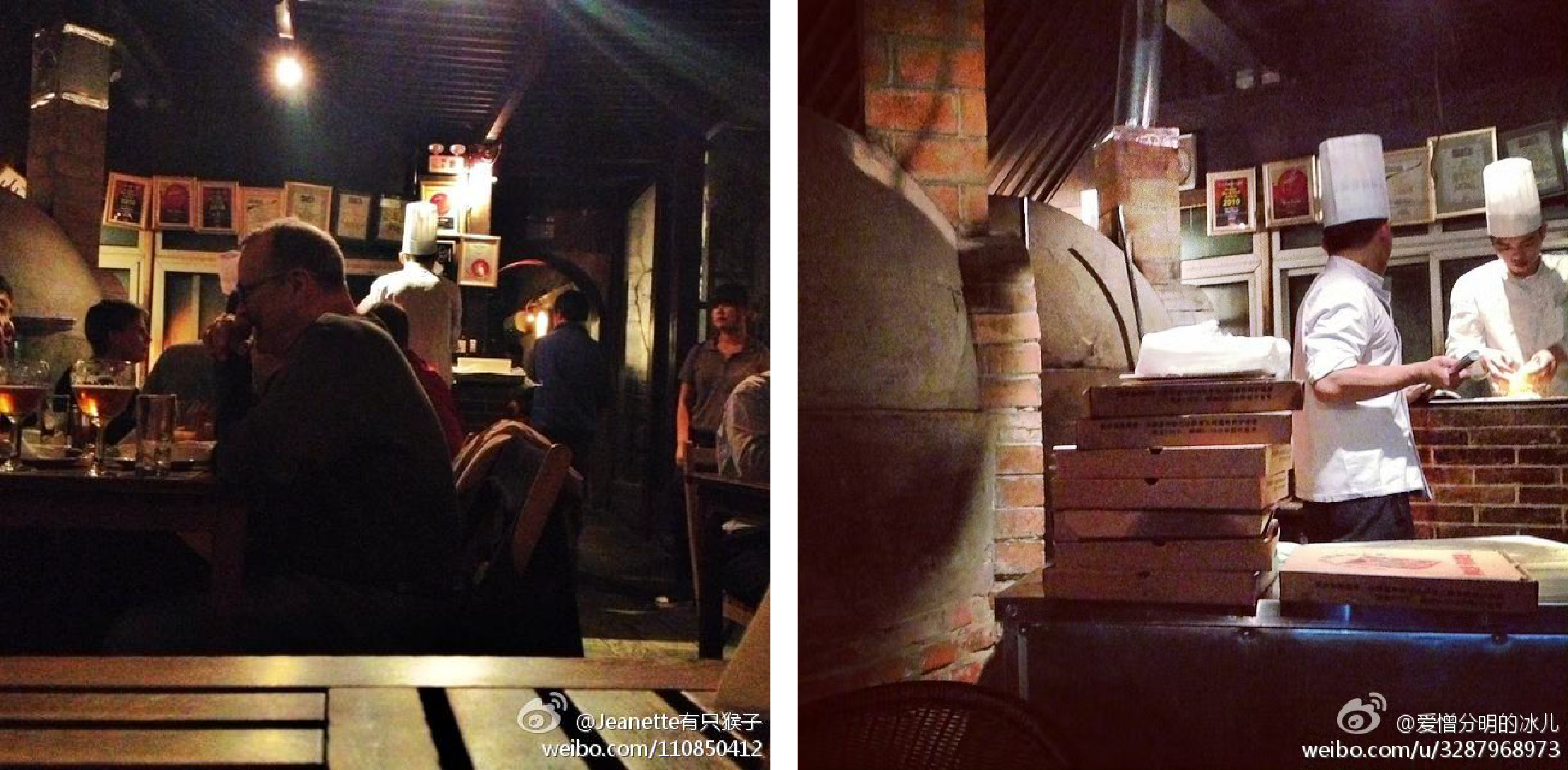
That was probably the last time I saw K in Beijing before he returned to Hong Kong. The memory of that night lingers, bringing the bar back to mind — and with it, my curiosity about its name. I never verified it in person again.
Years later, while doing research in Sanlitun, I discovered The Tree had vanished, along with several nearby bars and hostels, its name wiped from maps and review websites. I regretted never taking a photo. Back then, before every moment was documented online, a place could disappear almost without a trace. Now, places like The Tree can only be recalled through sensory impressions in people's memories.
.png)
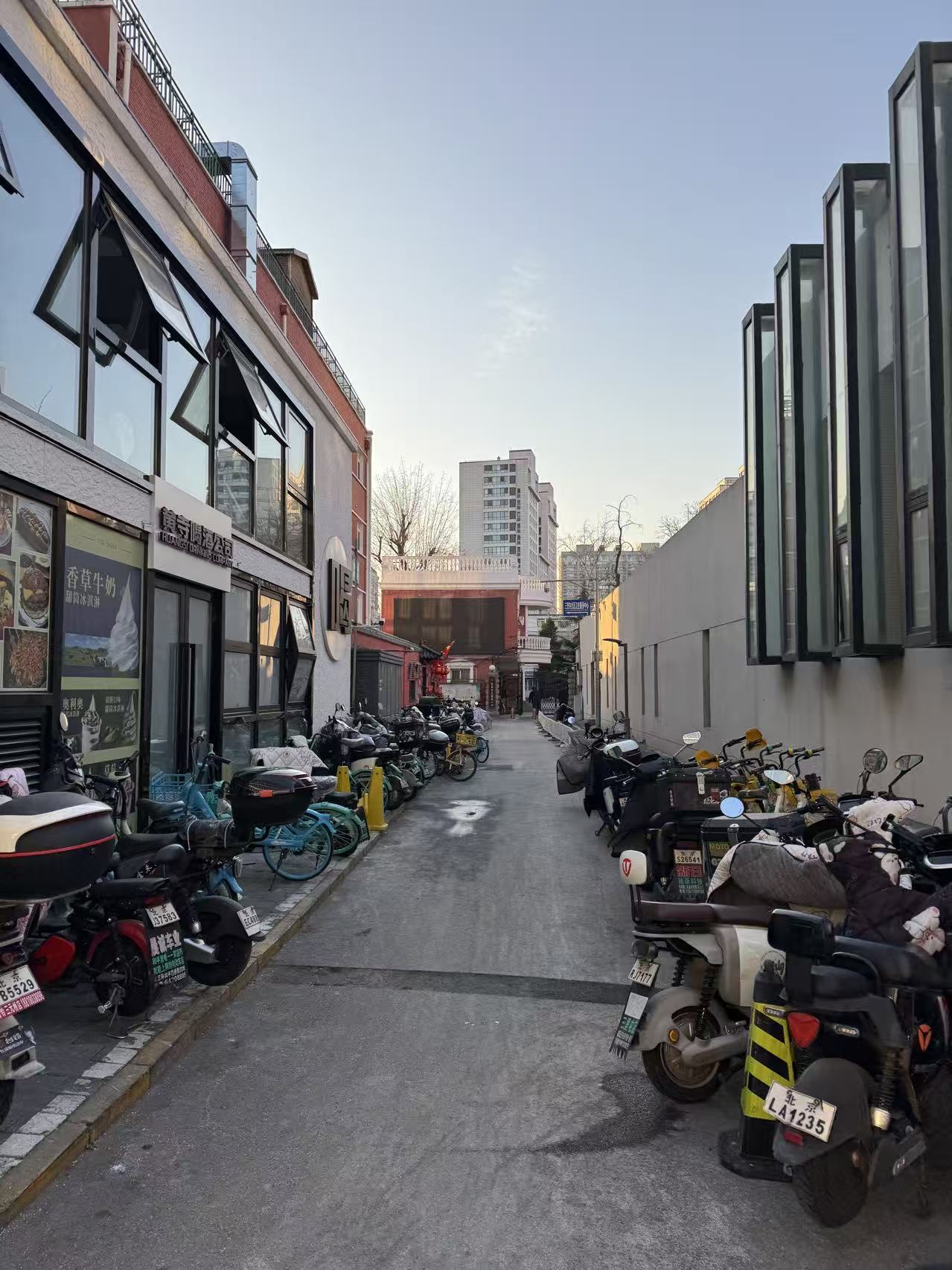
I learned from A Bit of Beijing: Sanlitun by Li Han and Hu Yan that an earlier and more famous bar, Hidden Tree, once stood nearby, demolished in 2004 during a shantytown redevelopment. Two huge trees grew in its courtyard.
The Tree that I visited must have been a homage — and yes, there had been a real pagoda tree inside. The thought brought a quiet melancholy: in cities, spaces and memories entwine, and both can vanish overnight.
"City guidebooks that highlight certain new discoveries, novel places, and distinctive spots are in fact the best illustration of Professor Tillich’s ideas. For a city can only have the capacity to offer something to everyone when all people are creators of the city.
By its very nature, a great city should provide what one can only get from traveling: novelty. Novelty leads to questioning and breaks down established ideas, thereby elevating our understanding to a considerable height."
- The Death and Life of Great American Cities, Jane Jacobs
postpost
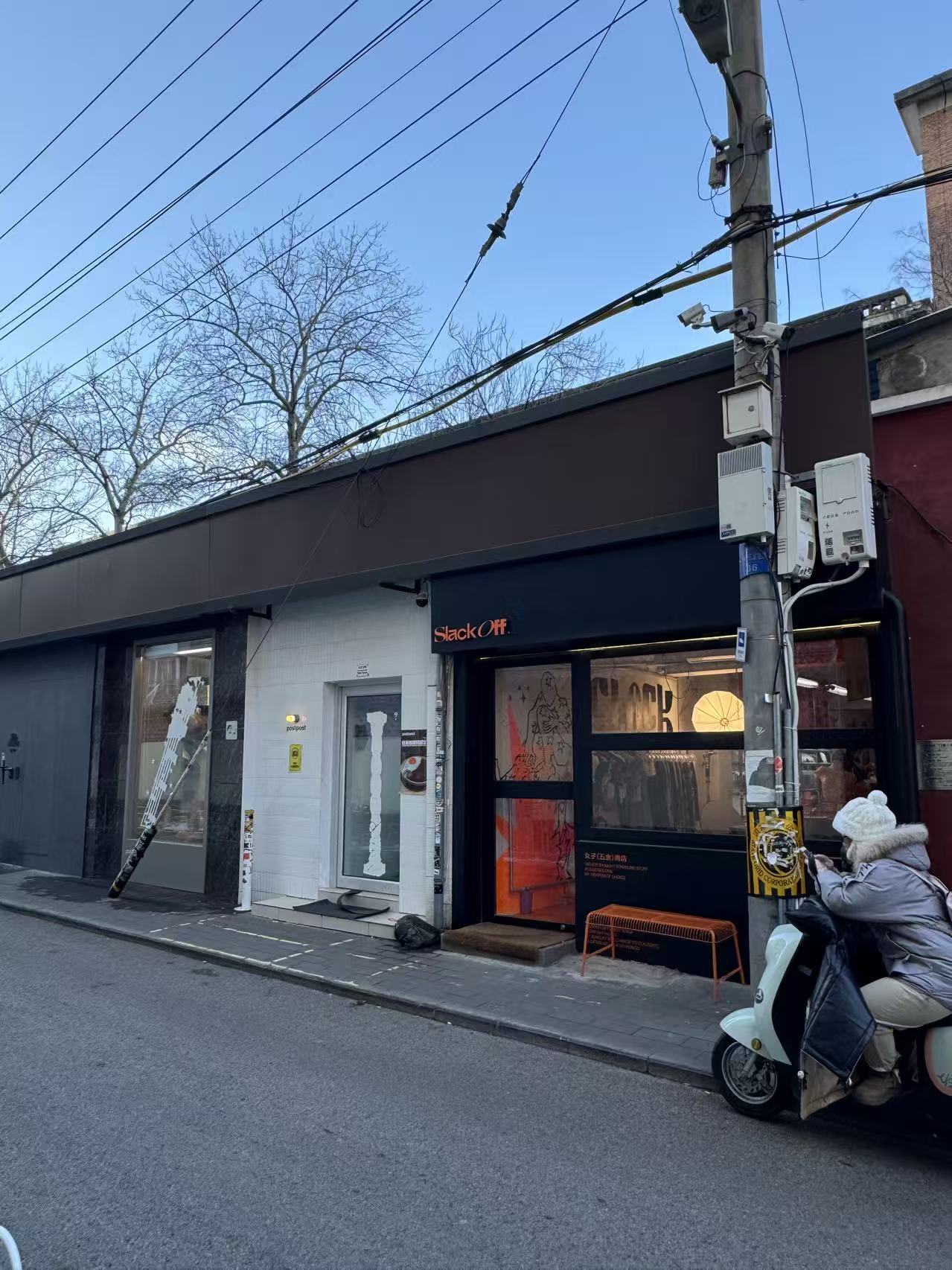
We chanced upon postpost in September 2023 while conducting fieldwork in a lane just north of Taikoo Li North. On both sides, the street was lined with Sanlitun’s old residential houses that once held small local businesses — grocery stores, car washes, the ordinary fabric of daily life. During a quick stop at a roadside grocery, a colleague pushed open a small door and discovered this whimsical little shop.
.png)
Inside, a doubleheight space glowed under a sloped wooden ceiling hung with crystal chandeliers. A loft looked down on a café with scaffoldingstyle bookshelves stuffed with titles from different cultures and languages. Upstairs, quirky figurines and 3D-printed trinkets awaited. The space brimmed with diversity and juxtaposition — a fusion of industrial retro and surrealist aesthetics that evoked London's Shoreditch. Abstract and realistic mushroom decorations adorned every corner, seemingly sprouting from walls and wooden ceiling beams, blending with weathered paint and graffiti.
.png)
It was a weekday afternoon. Background music played softly. The shopkeeper was occupied with his own work. The experience felt like stumbling into an alternate dimension — surprising and slightly disorienting. Could this really be Sanlitun? While it felt like exactly the kind of space that belonged here, it was still hard to believe.
Perhaps the disbelief came from the fact that, in an era dominated by chain brands and fashion boutiques dictating consumer tastes, it was refreshing to find a store catering to highly individual and niche preferences. I felt a surge of delight akin to the joy I'd felt over a decade ago discovering the little courtyard of Alameda.
Thanks to social media, I occasionally came across posts about postpost. It gradually found its way onto many citywalk itineraries and must-visit shop lists. This multicultural concept store had become a beloved hangout for young people in Sanlitun.
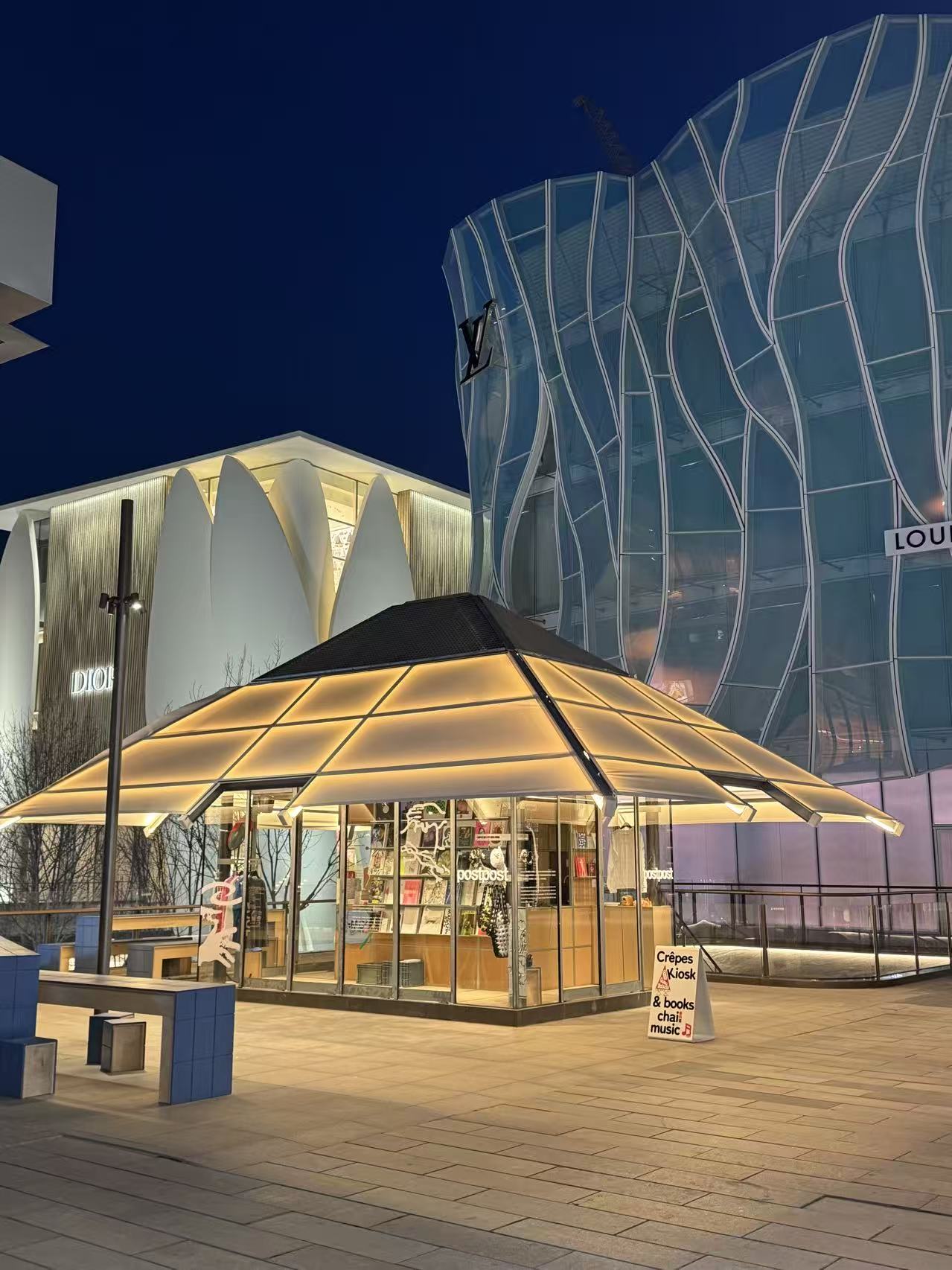
Not long ago, I walked through the lane again. The grocery store next to postpost had become a trendy clothing boutique. Across the way, new concept stores and bagel shops had sprung up. The whole alley now buzzed with spots sharing the same vibe as postpost. Back at Taikoo Li North, beside the new Louis Vuitton store, a glowing mushroom‑shaped canopy had popped up, the postpost sign clearly visible beneath it, in keeping with the shop’s own surreal aesthetic.
The Soul of a Changing City
Sanlitun continues to evolve, a fertile ground where culture and commerce coexist, sometimes uneasily, but together creating life. Here, the small and temporary often carry more meaning than the monumental.
Bottomup spaces — a restaurant in a courtyard, a bar under a tree, a surreal little shop — spark new stories that official plans rarely anticipate. They are the city’s quiet surprises, the cracks where imagination seeps through. Their traces may fade, but the sensations they leave behind shape how we remember the city — and how the city, in turn, remembers us.
.png)
Right: A mental map of Sanlitun’s gardens