Photo Credit: Wojciech Ostrowski
Placemaking has always been a craft grounded in observation and experience. For generations, designers have relied on spatial intuition – a skill honed by watching cities breathe. We learned to read the subtle cues: where people linger, how the energy of a street shifts from morning to night, and which spaces invite connection. Today, however, advances in AI and urban analytics are extending this toolkit, offering us new ways to understand the complex performance of public spaces.
.jpg)
%20cropped.jpg)
Photo Credit: anthologyfilmarchives (Instagram)
Research by scholars such as Michael Batty and Carlo Ratti has shown how data-driven tools can reveal patterns of movement, occupation and interaction invisible to the naked eye. Now, these insights are actionable. Through AI-assisted pedestrian simulations and visibility analysis, we can test how street networks, block dimensions or program distribution will influence public life. These tools help transform placemaking from a practice based largely on "feeling" into one that is both intuitive and evidence-informed.
.png)
Photo Credit: UrbanNous (YouTube)
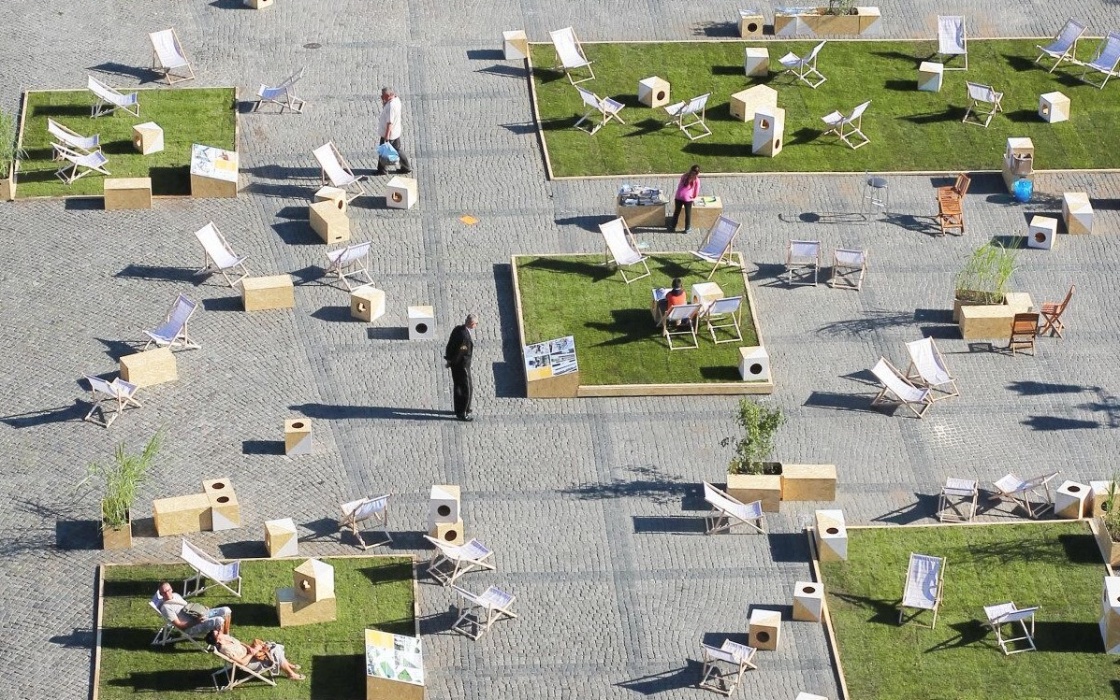
Crucially, this is not a move away from human-centred design. AI doesn’t dictate the outcome; it acts as a rehearsal space. It is a supportive layer that strengthens decision-making, enabling designers to test ideas before they are built. We can model scenarios for cultural programming, pop-up retail and event-based activation to see how a street evolves throughout the day and a year. Rather than freezing a place into a single image, AI allows designers to engage with urban life as it truly is: a dynamic, ever-changing process.
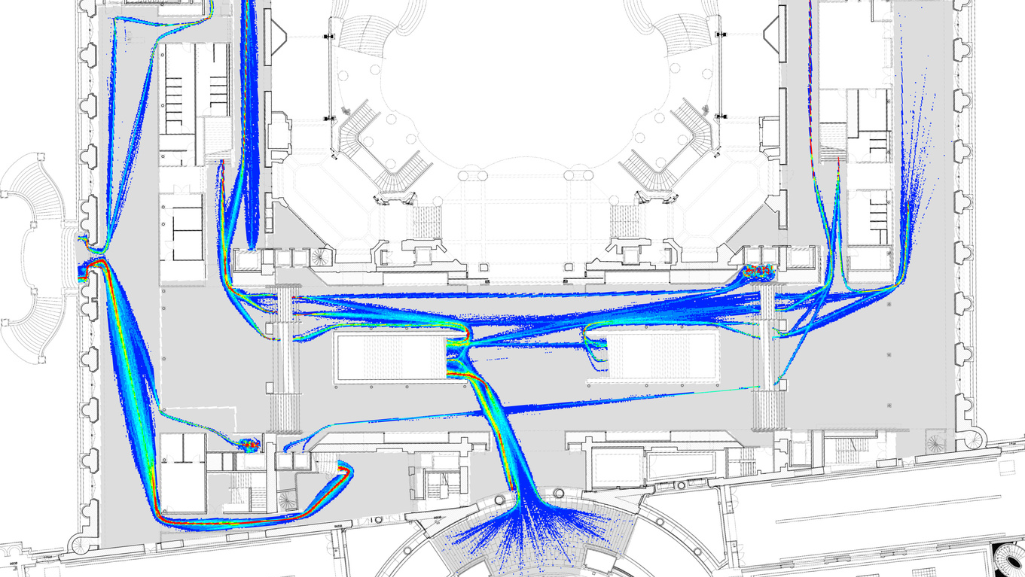
Photo Credit: Simone Castelnuovo
.jpg)
Photo Credit: Barbora Hinnerova
From a sustainability perspective, AI-enhanced placemaking supports more adaptive and responsible urban development. By identifying underperforming spaces, uneven foot traffic, or gaps between retail supply and community needs, designers can prioritise targeted interventions over large-scale redevelopment. This aligns environmental efficiency with social sustainability – extending the lifespan of the existing urban fabric while breathing new life into local activity.
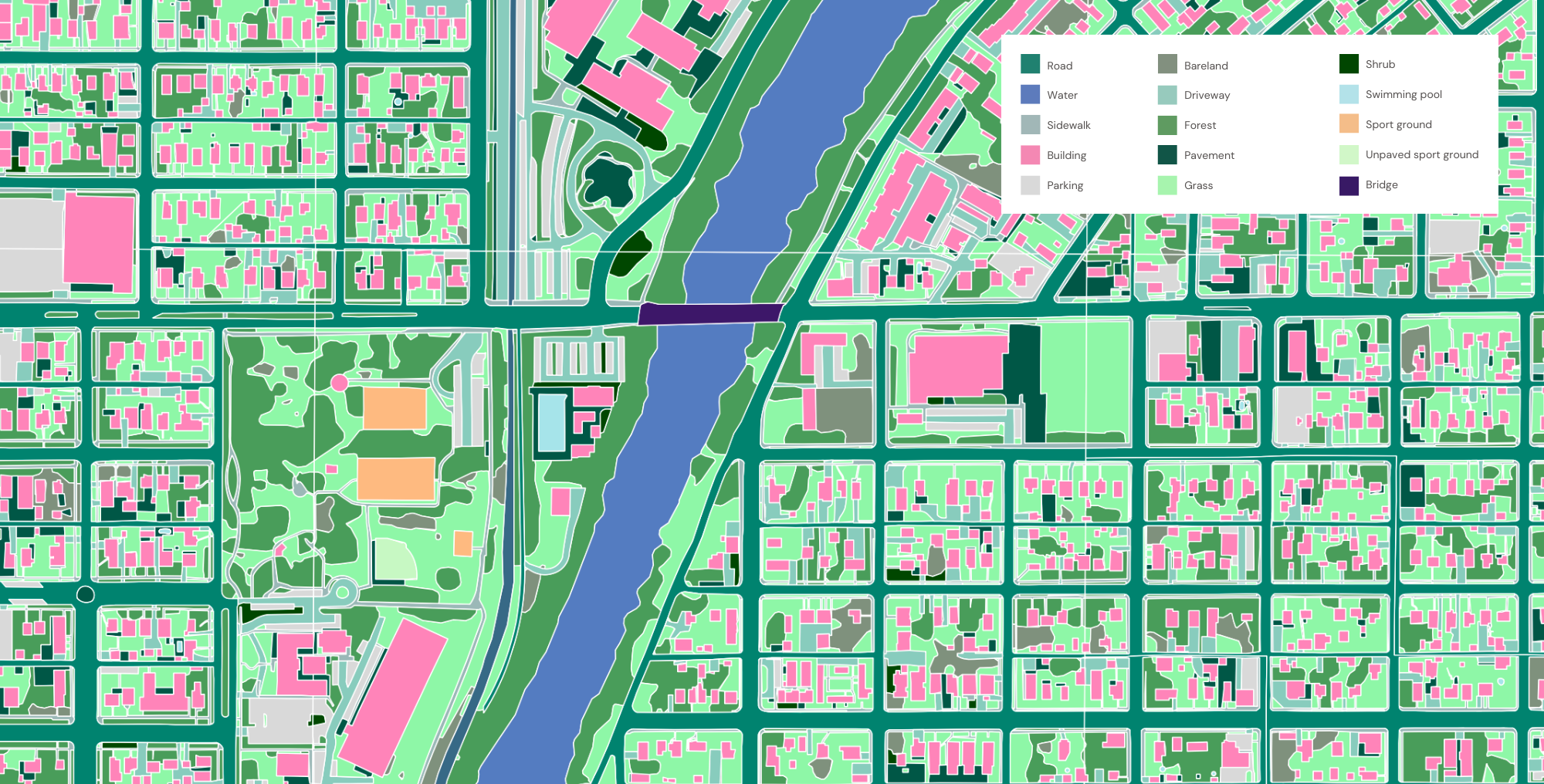
Photo Credit: Ecopiatech
As these tools become more embedded in practice, the role of the architect and urban designer is shifting. In an AI-enabled workflow, designers are no longer just form-givers; we are interpreters, curators and strategists. The value of the profession lies not just in producing drawings, but in translating insights into spatial quality, cultural meaning and public value.
-remini-enhanced.jpg)
Photo Credit: Farah Nayeri (New York Times)
Ultimately, designers must act as mediators between raw data and lived experience. The future of urban placemaking will depend less on predictive accuracy, and more on how thoughtfully we integrate these tools into a broader vision for the city.