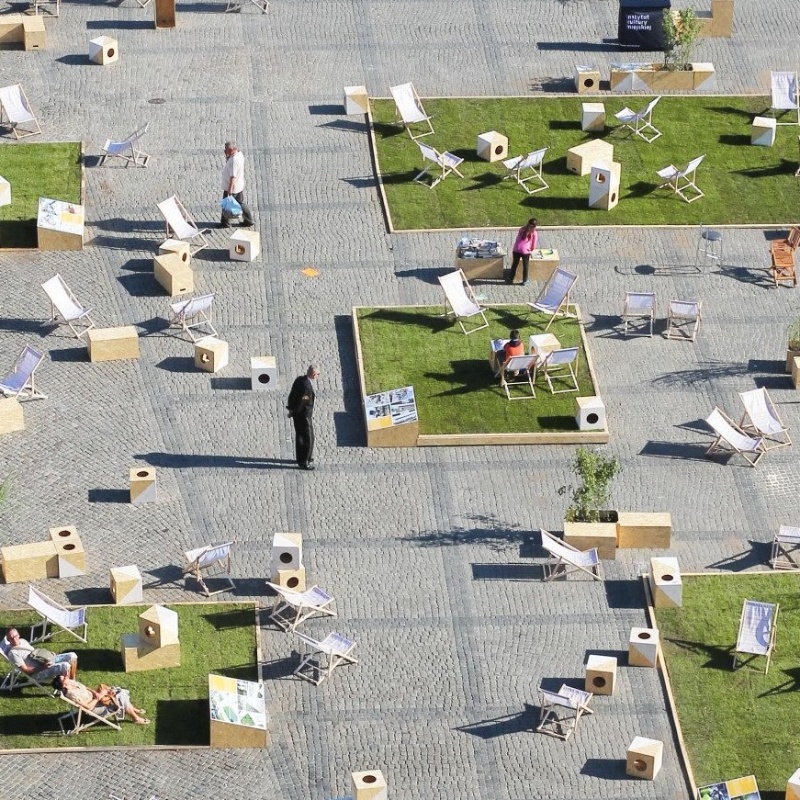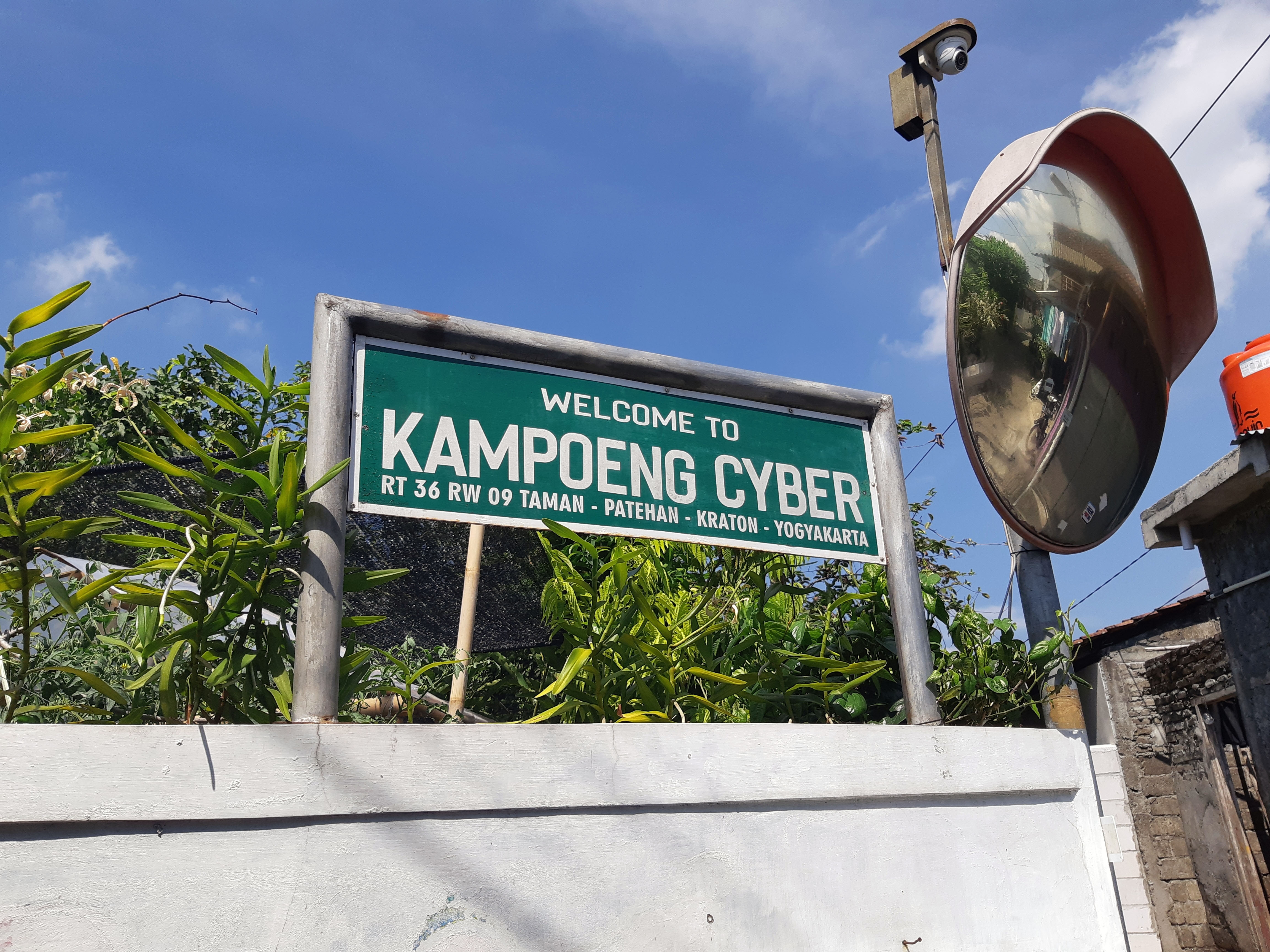
Kampoeng Cyber in Yogyakarta is one of a growing number of traditional villages embracing technology to strengthen their community bonds. Image by Shutterstock / Saraswati19
Across the region, community leaders and policymakers are finding that the kampong spirit — the neighbourly, close-knit ethos of village life — can be strengthened, not weakened, by going online. The result is a wave of digital placemaking initiatives that marry old community ties with new tech tools, each one modernising rural and urban villages without taking away their soul.

In Bandung’s Dago Pojok and Semarang’s Bustaman, festival organisers have turned Instagram polls and mobile maps into civic tools, letting youth networks co-draft event layouts and narrative themes. Redesigns of public space, informed by GIS visualisations and online surveys, now align street furniture upgrades with resident priorities.
Indonesia’s e-Musrenbang platform invites villagers to propose and budget schemes via a simple web portal, while apps such as Jagat are also gaining popularity. These participatory infrastructures democratise placemaking, suggesting how a combined toolkit melding participatory GIS with community-curated AR overlays can animate kampong pasts and futures alike.
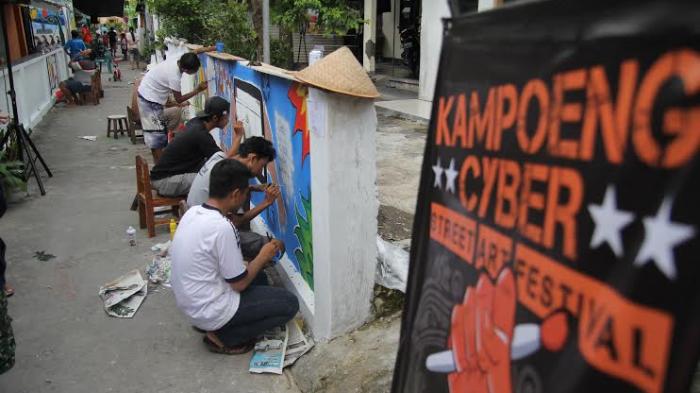
But digital placemaking is bringing local economies to the world too. In Yogyakarta, Indonesia’s heart of tradition, one historic kampong has reinvented itself as a ‘cyber village’. After the 1997 Asian Financial Crisis and other unrest, its batik artisans were struggling, but local youth saw opportunity on the internet. In 2003, a group of artists and residents raised funds for 25 computers, wired the neighbourhood and showcased the village’s crafts to the world in an entirely grassroots effort. Within five years, Kampoeng Taman (as it was then known) was thriving again: global orders poured in for its batik, unemployment declined and some former residents returned to pick up the cradt again.
Rebranded as Kampoeng Cyber, at a time of low internet penetration in Indonesia, this tiny quarter of Yogyakarta became a beacon of bottom-up digital empowerment. The lesson is that neighbours helping neighbours — a tradition known as gotong-royong — can take on economic and social power when given a digital platform. Here, placemaking was as much about storytelling as connectivity: the kampong told a story of itself to a larger audience without losing its rootedness.

Meanwhile in Malaysia, a village known for its lush beaches is undergoing a high-tech makeover that combines the two approaches. Kampung Mukut, a remote settlement of just over 100 people on Tioman Island, has been picked as the nation’s first ‘Smart Eco-Village’ under a corporate-sponsored programme. Until recently, Mukut’s isolation meant scant internet and limited opportunities. Now, thanks to a new undersea cable and island-wide broadband, the village is plugged into Malaysia’s digital network. Digital placemaking here is infrastructural: public squares now host Wi-Fi hotspots, hiking trails are monitored by solar-powered sensors, and tourists on hiking trails can track their location on GPS. But the digital placemaking isn’t just connectivity — it’s community portals and upskilling. Villagers are trained to promote their homestays and boat services via a new tourism website, connecting Mukut’s natural beauty to the global travel economy. Unlike Yogyakarta’s grassroots approach, Mukut’s transformation shows how placemaking can be steered from above if done well, with technology woven into both daily convenience and ecological stewardship.
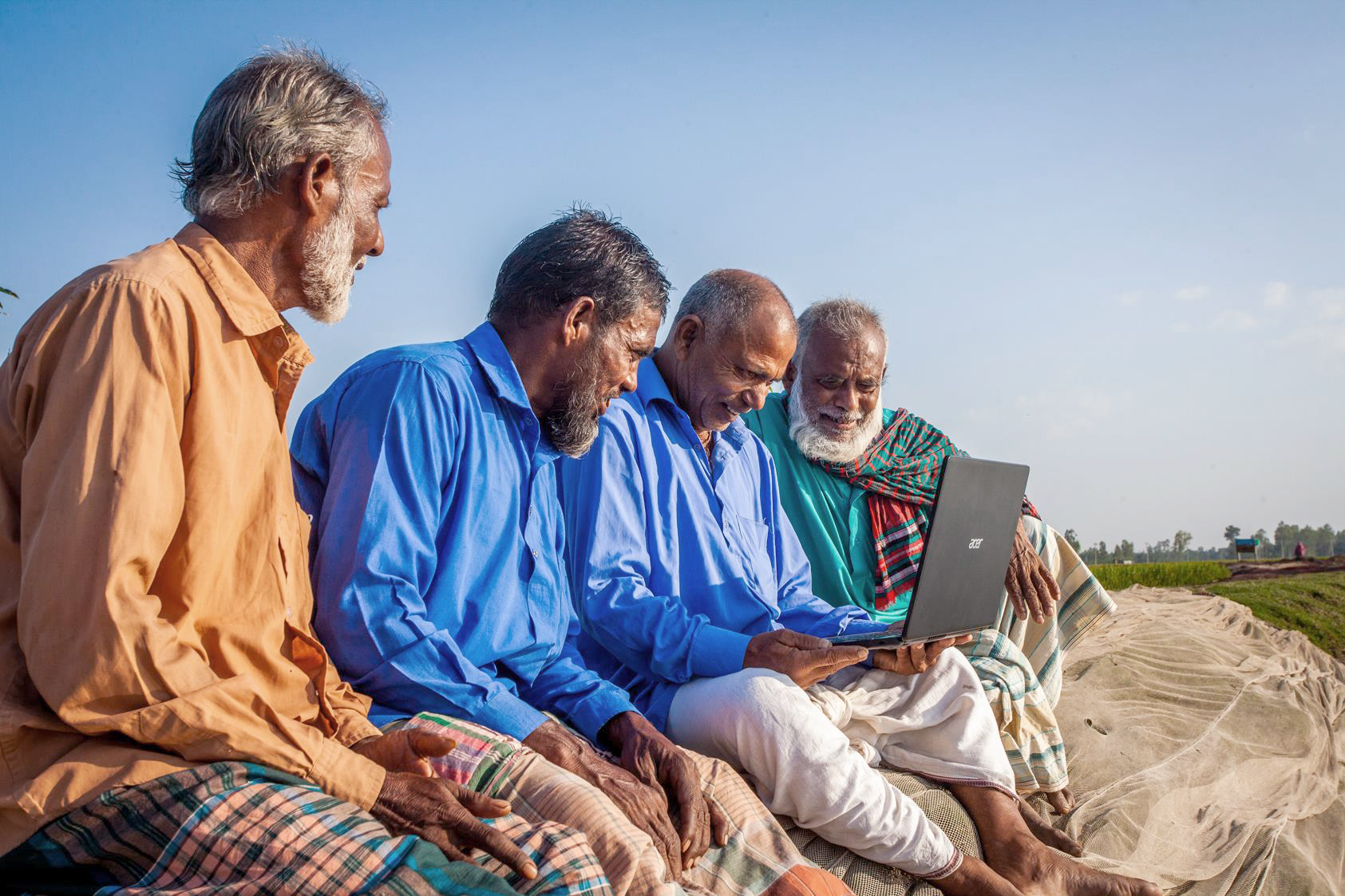
These ‘village 2.0’ experiments are, ultimately, pragmatic responses to rural challenges, where digital placemaking is not an abstract ‘smart’ agenda but a lived negotiation over physical and digital space and economic needs. Whether forged through neighbourhood initiative or corporate investment, the digital kampong demonstrates that connectivity can thicken the bonds that make, not dissolve them. Policymakers and communities tempted to see technology as a neutral fix should remember: the real challenge is not to bring Wi-Fi to villages, but to ensure that the digital makes them more kampong, not less.