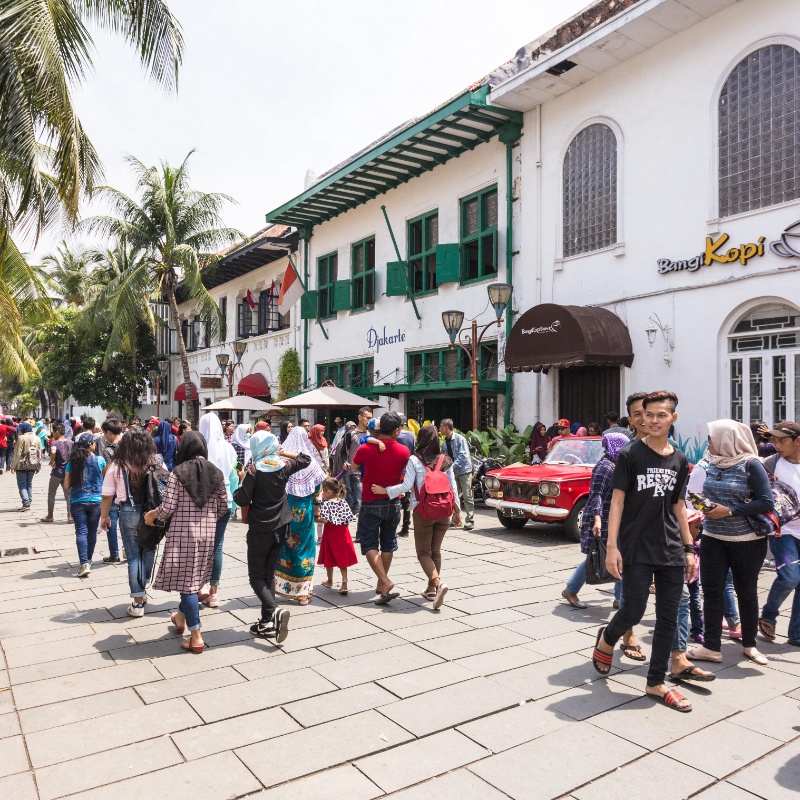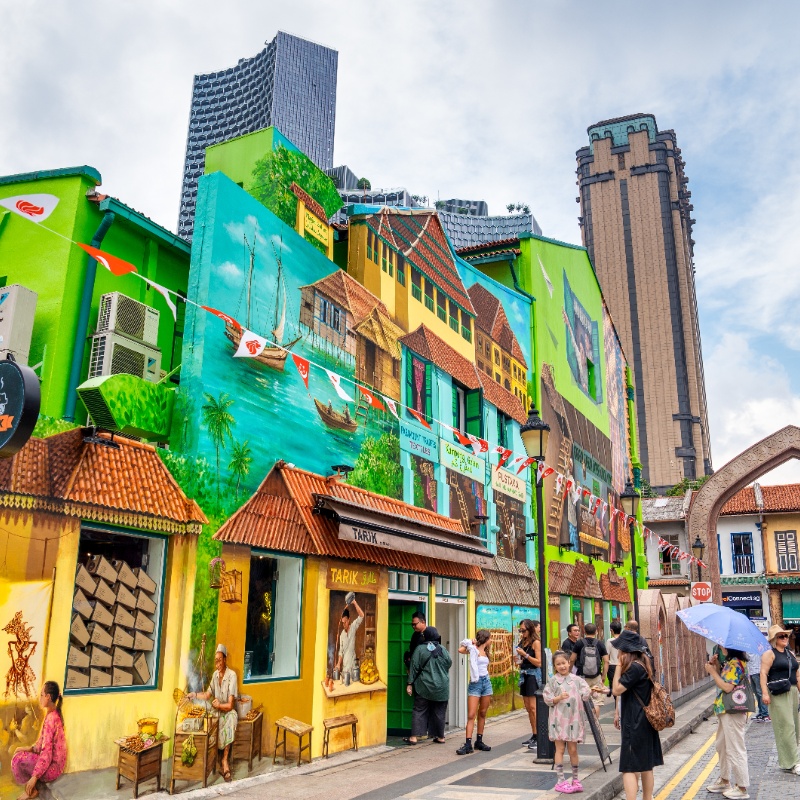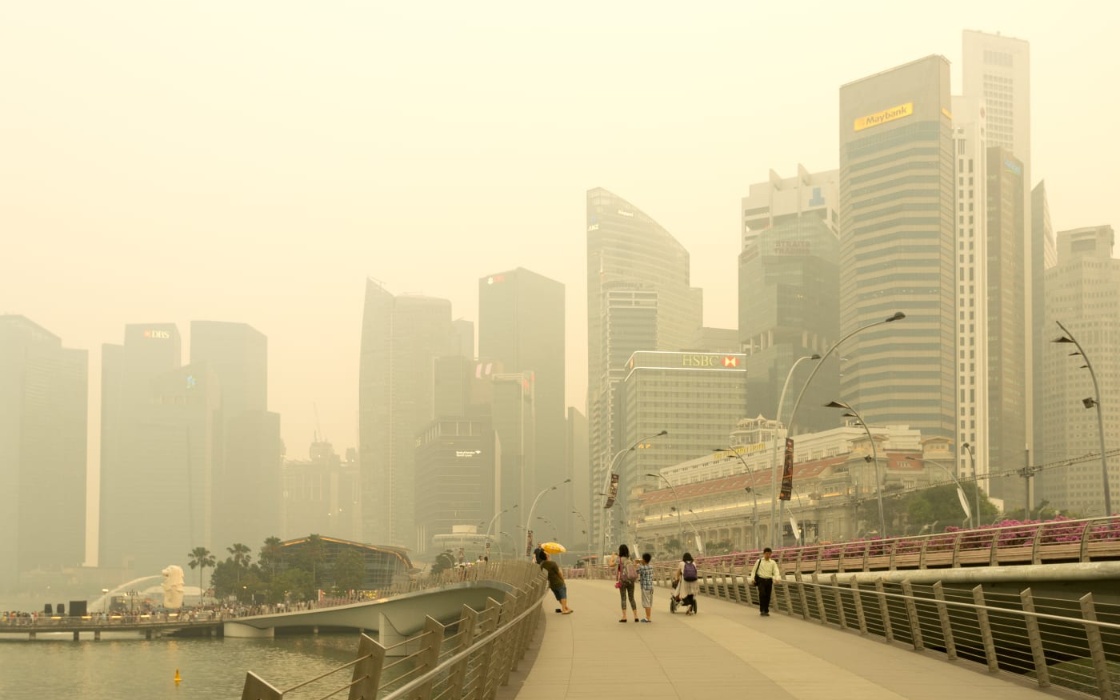
Urban environmental pressures are interconnected across waste, land use, infrastructure and public health.
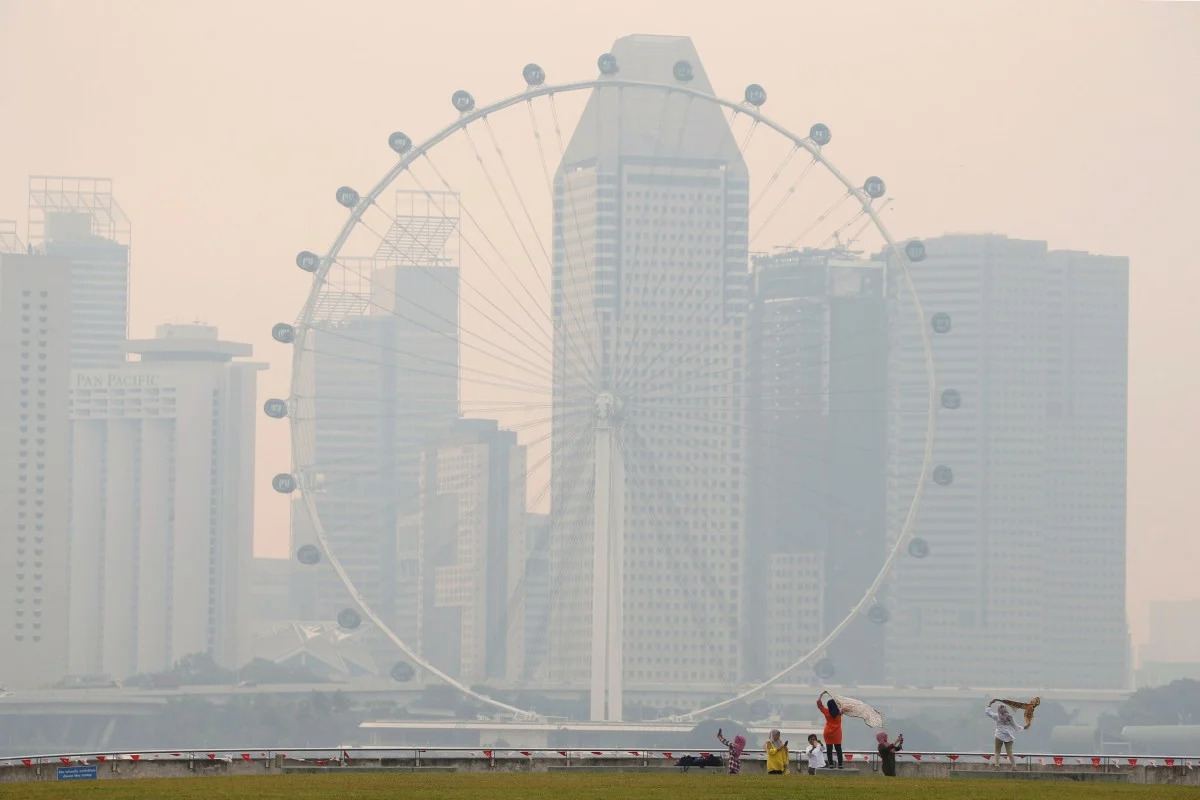
Haze in Southeast Asia is often described as a seasonal disruption: a wave of polluted air driven by agricultural burning, weather patterns and cross-border drift.
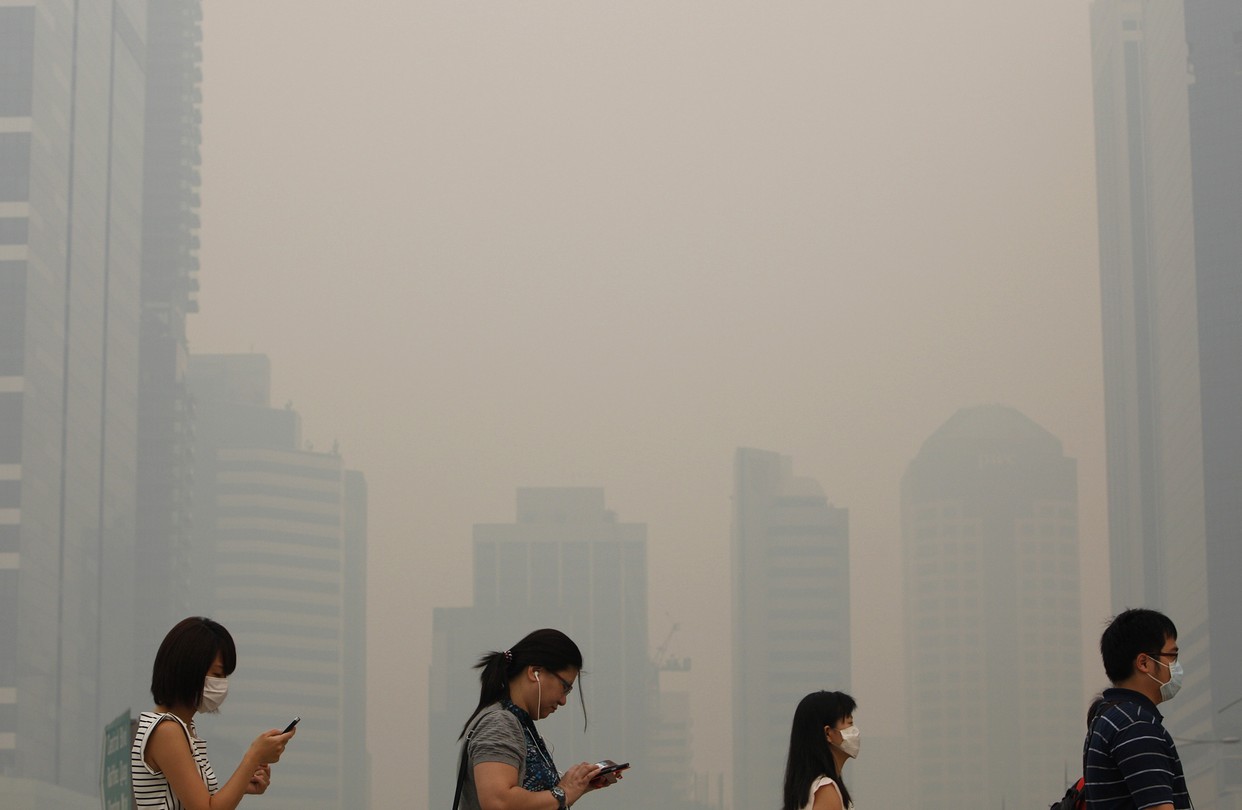
That remains true, but it is no longer the whole story. In cities such as Singapore, Kuala Lumpur, Bangkok, Hong Kong and Jakarta, poor air quality has become part of everyday urban life. The question is no longer only where haze comes from, but how cities help shape the conditions in which it persists.
From episodic event to urban condition
Across the region, PM2.5 levels vary widely, but most major cities remain above the World Health Organization’s annual guideline. Singapore and Hong Kong tend to record lower averages than Bangkok or Jakarta, while Kuala Lumpur often sits somewhere in between. What matters is not just the difference in numbers, but the pattern behind them: some cities experience recurring spikes, some face seasonal cycles, and others live with a consistently high baseline.
These differences suggest that haze is not just something blown in from elsewhere. It is also shaped by the way cities are built and run, including transport, energy, construction and land use. In that sense, poor air quality is part of urban development itself.
Five cities, five patterns of exposure
The regional picture is not uniform. Each city reveals a different relationship between pollution, infrastructure and geography.
- Singapore shows a pattern of relative control interrupted by periodic spikes. Average air quality is generally better than in many neighbouring cities, yet transboundary haze still produces sharp declines.
- Kuala Lumpur sits in a more mixed position. Seasonal haze adds to an existing baseline of local emissions, making air quality neither consistently severe nor reliably stable.
- Bangkok experiences strong cyclical peaks, especially during the dry season. These are shaped by a combination of local emissions, agricultural burning and weather conditions that trap pollutants close to the ground.
- Jakarta is marked by persistence. Pollution levels are already high, and seasonal changes often intensify an already serious baseline rather than creating a separate episode.
- Hong Kong presents a different case again. Long-term air quality has improved, but the city remains exposed to wider regional flows, particularly from the Pearl River Delta.
These cities do not form a simple ranking from better to worse. They show different ways in which air pollution is produced, concentrated and lived.
Infrastructure and air quality
Once haze is understood as part of the urban system, it can no longer be treated only as a background environmental issue. Air quality is shaped by the same decisions that shape the city more broadly: how people move, how energy is generated, how goods circulate, where industry is located, and how land is used.
_(53337043357).jpg)
For designers and planners, that matters. Roads, transit systems, logistics networks and energy infrastructure do not just organise movement and growth. They also affect where emissions are produced, how pollutants accumulate, and which parts of the city face the greatest exposure.
This is where the discussion becomes relevant to architecture and urbanism. If poor air quality is partly built into the structure of the city, then it must also be addressed through the structure of the city: through planning, mobility, energy transition, landscape systems and regional coordination.
Beyond the city boundary
Haze also exposes the limits of thinking at the scale of the individual city. Pollution does not respect administrative borders. It moves across territories connected by farming, freight, energy infrastructure and regional weather patterns.
That is especially clear in Southeast Asia, where local emissions and transboundary flows are often intertwined. A city may improve parts of its own environmental performance and still remain vulnerable to wider regional conditions. Air quality, in that sense, is both local and cross-border at once.
Designing with the atmosphere in mind
For architecture and planning, the implication is straightforward. Air should not be treated as an invisible backdrop to urban life. It is part of the environment cities produce, and part of the environment they must actively design for.
Design on its own will not solve haze. But air quality should still be treated as a core planning and design concern, considered alongside transport, land use, energy, landscape and public health, rather than addressed only through environmental regulation. Haze is not just something that happens to cities – it is increasingly something cities help create, intensify and distribute. Recognising that is the first step towards responding to it more intelligently.