文章

Unlocking Sustainable Value Creation

The importance of first-hand data for future lifestyles

The Problem with Today's Data

Most data collection today doesn't give us the full picture. We're too reliant on old information and historical patterns, which means we're often looking backward when we need to be looking forward. In 2026, even sophisticated AI systems analysing past data can only offer generalised predictions that don't quite match what's actually happening on the ground. The result? Insights that sound good but don't lead to meaningful action.

Making Physical Spaces Smarter with Fresh Data

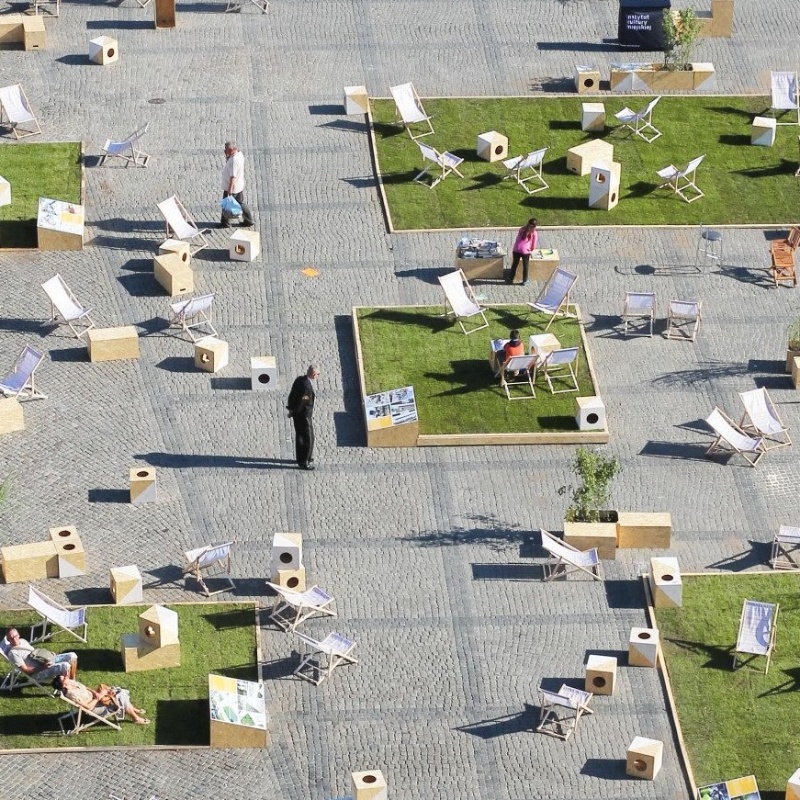
The solution lies in gathering fresh, first-hand data directly from the spaces and communities we're designing for. This means building digital intelligence into physical environments in two complementary ways.

First, background data: the basic information about a place: who uses it, local weather patterns, neighbourhood character, and nearby business activity. This data is collected continuously and anonymously to create a reliable baseline understanding.

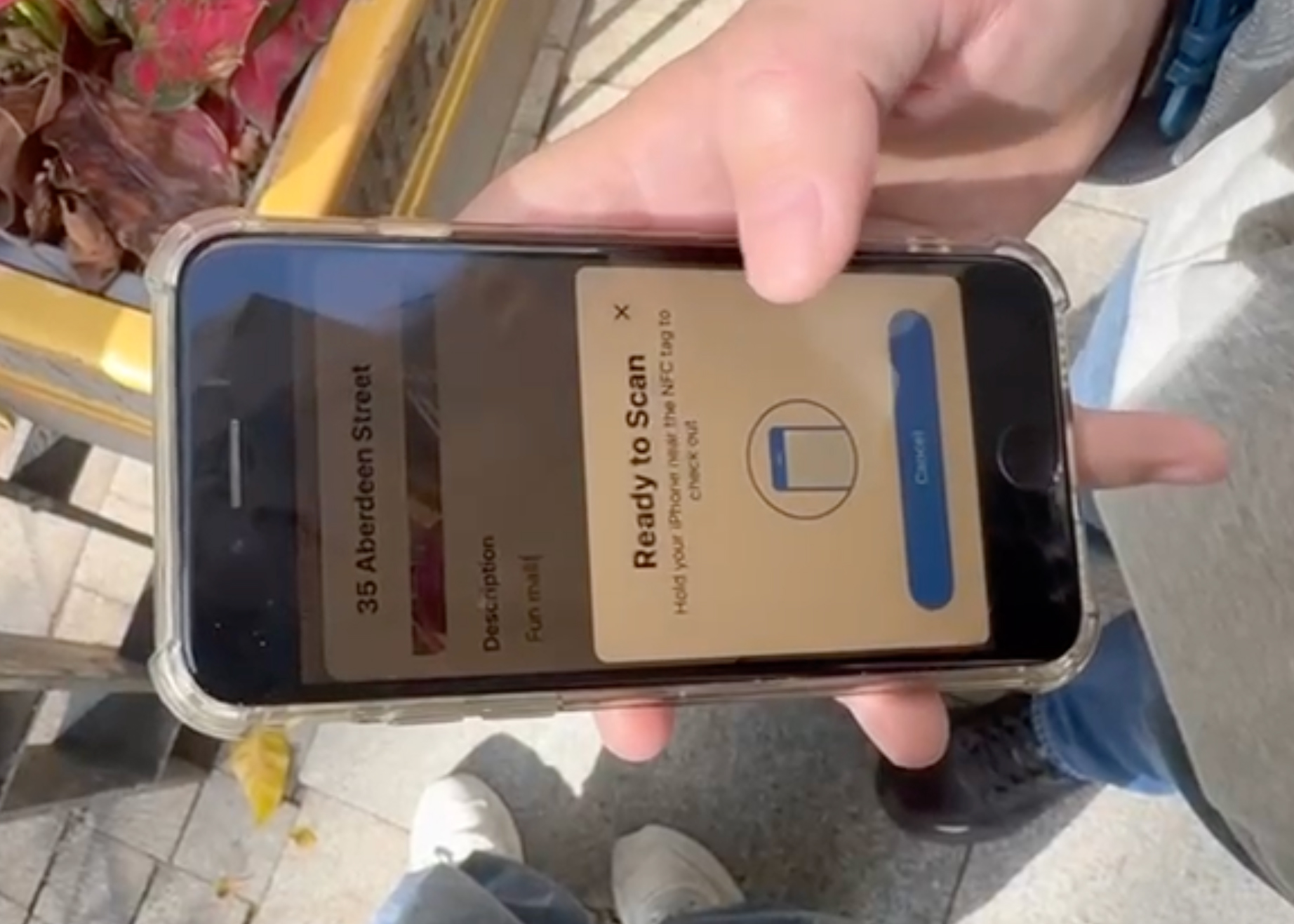
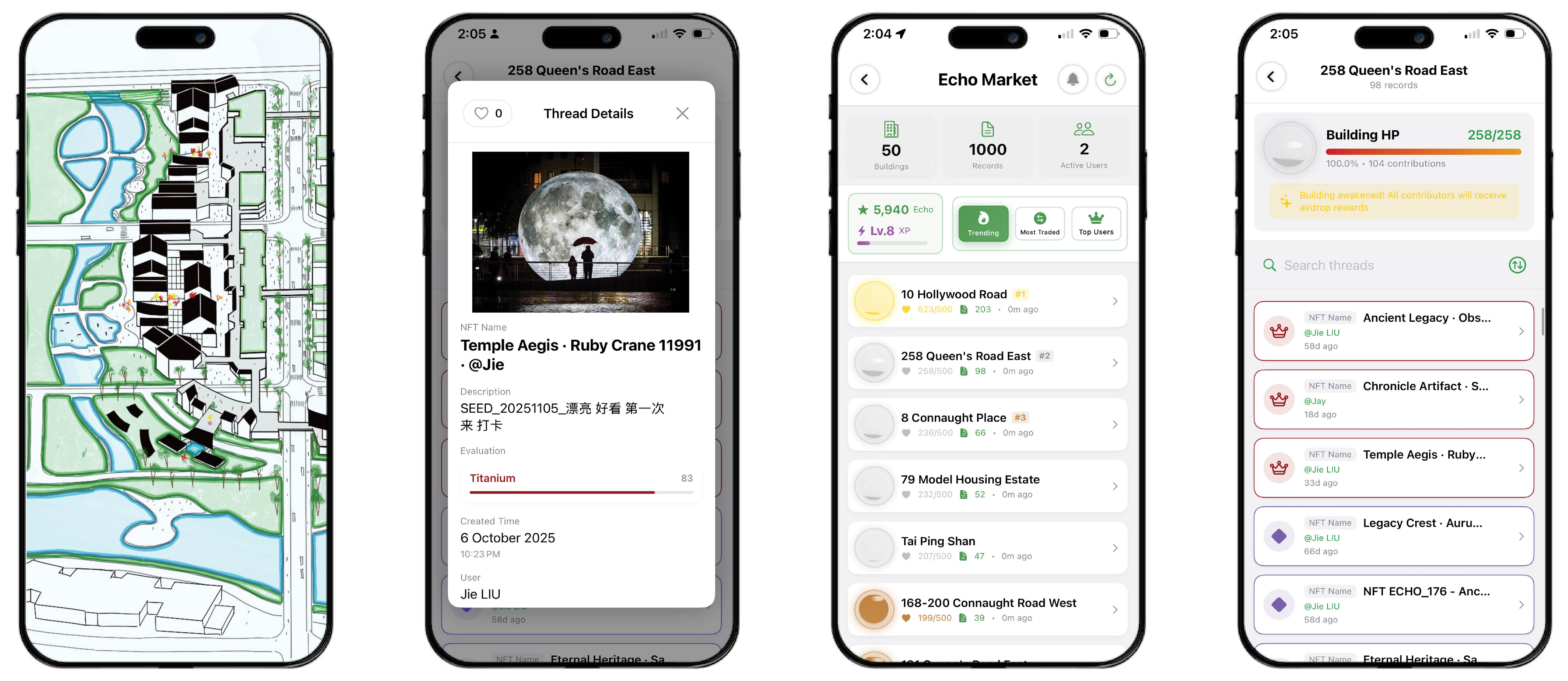
Second, engagement data: information from people actively interacting with a place. This is where value is created. Through experiences like interactive storytelling or heritage discovery that invite participation, the data people generate carries deeper meaning.

2
2

Building for Continuous Evolution

Instead of rigid solutions, we need flexible frameworks to make the most of our first-hand data. These frameworks will serve as platforms to process information and uncover patterns. The process begins with establishing clear methods for collecting and analysing the data, then turning those insights into real improvements. The goal to create an underlying structure that adapts to new technologies and changing needs, without having to start from scratch.

The Hardware Behind the Intelligence

This vision requires smart hardware embedded throughout a space. We need sensors that understand context, not just count footsteps. Interfaces that encourage interaction, not passive use. The "terminals" of the future must be active participants in a space. Four capabilities matter most: perceiving what's happening right now, recognising patterns in the data, responding with immediate changes, and learning from each interaction. Together, these technologies turn adaptive design from theory into practice, creating spaces that genuinely evolve alongside the people using them.

分享
分类