文章

From Brisk to Barely Moving: How Heatwaves are Undoing Asia’s Walkable Urban Model

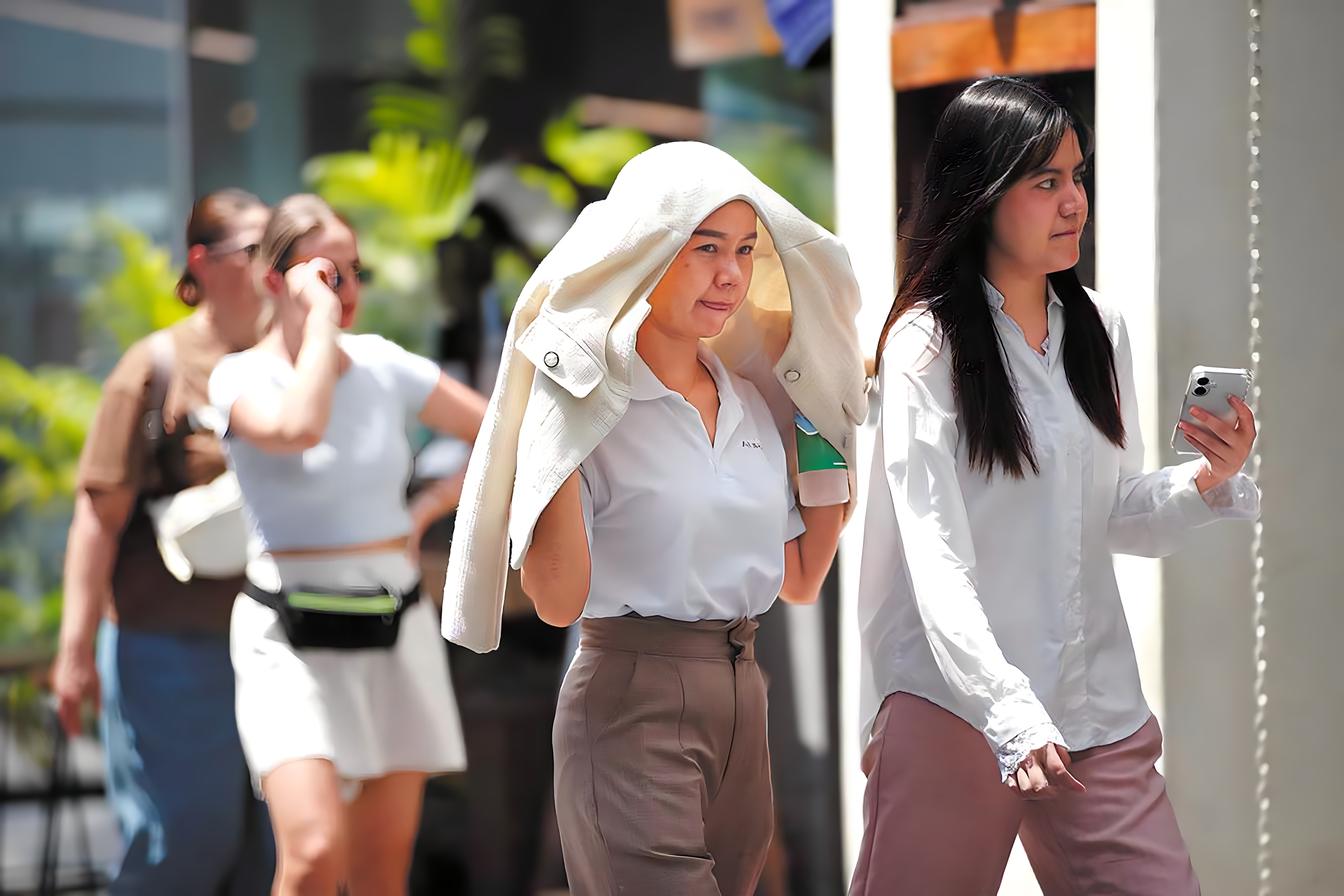
The oppressive heat blanketing Asian metropolises is no longer a seasonal affliction – it is fundamentally reshaping urban life. In Singapore, Hong Kong and Bangkok – cities long defined by their density and energy – rising temperatures and humidity levels are eroding the pedestrian culture that makes sustainable city living possible.

The culprit is the urban heat island effect. City centres, dense with concrete and asphalt and lacking in greenery, trap heat, making them 2–7°C hotter than surroundings. When relative humidity tops 80%, a temperature of 35°C creates a ‘feels like’ index that pushes the body towards exhaustion. Heatwaves in Southeast Asia have grown more frequent and intense. During 2024–2025, temperatures reached 42–51°C, prompting school closures, event cancellations and a widespread sense that walking had become impossible.

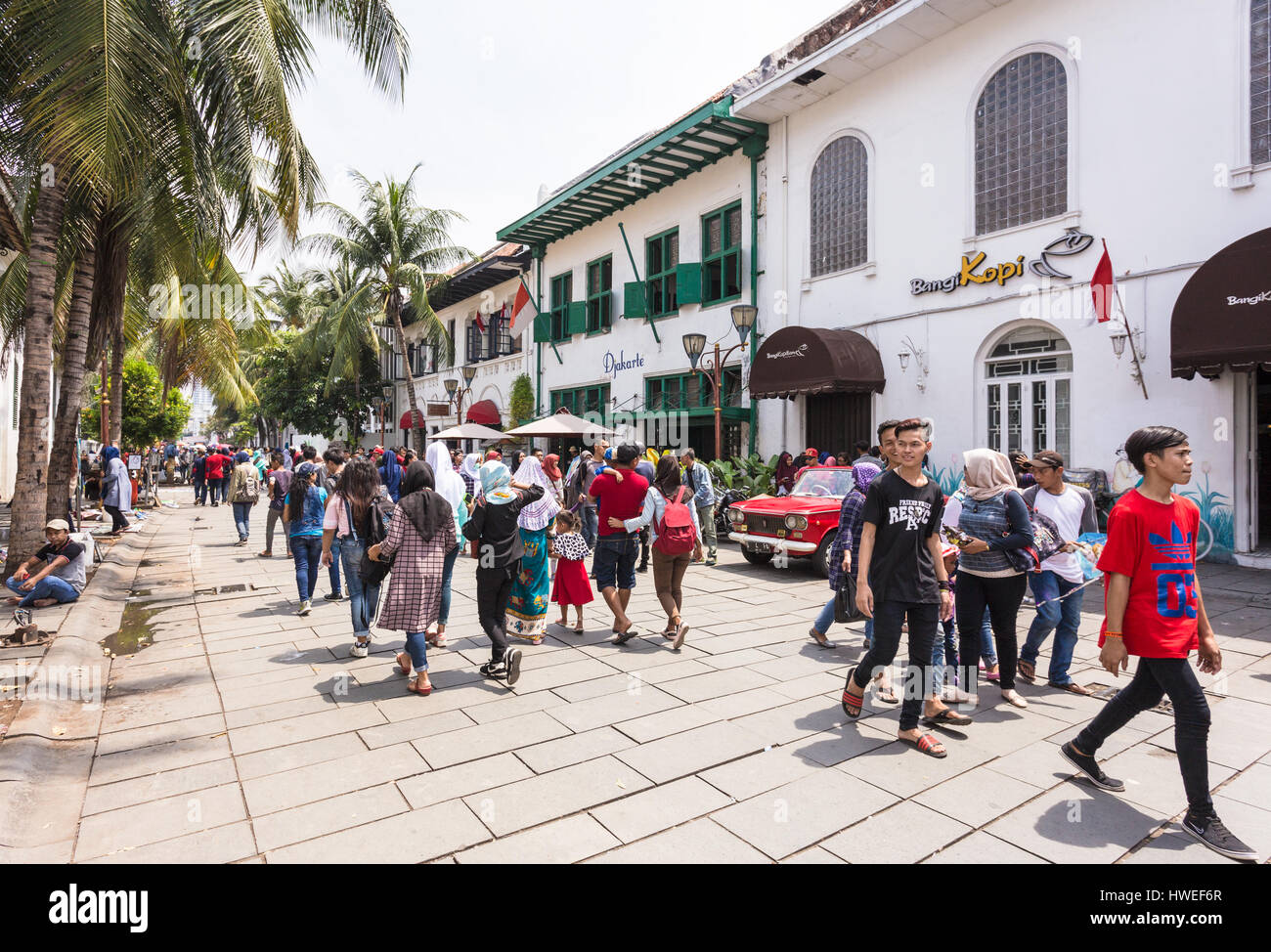
Such conditions are quietly but profoundly altering how we move. The brisk, efficient pedestrian flow that once defined Asian cities is slowing down. Studies from the mid-1990s clocked pedestrians in Bangkok and Hong Kong moving at 72–73 metres per minute – a brisk pace. Today, however, mobile data from major Chinese cities shows a different story: during hot spells, daily activity drops by up to 1,500 steps per person. That is roughly a kilometre of walking lost, per person, per day. On exposed, sun-baked streets, people slow to a crawl. Under tree cover or shaded walkways, temperatures can drop by around 3°C, and walking speeds return closer to normal.

The economic and social toll is significant. When extreme heat shrinks how far people can comfortably walk, it undermines the ‘15-minute city ideal’ – the where essential services are a short walk or cycle away. In tropics, this concept remains aspirational at best. The elderly, women and children, already more vulnerable to heat stress, see their mobility curtailed the most.

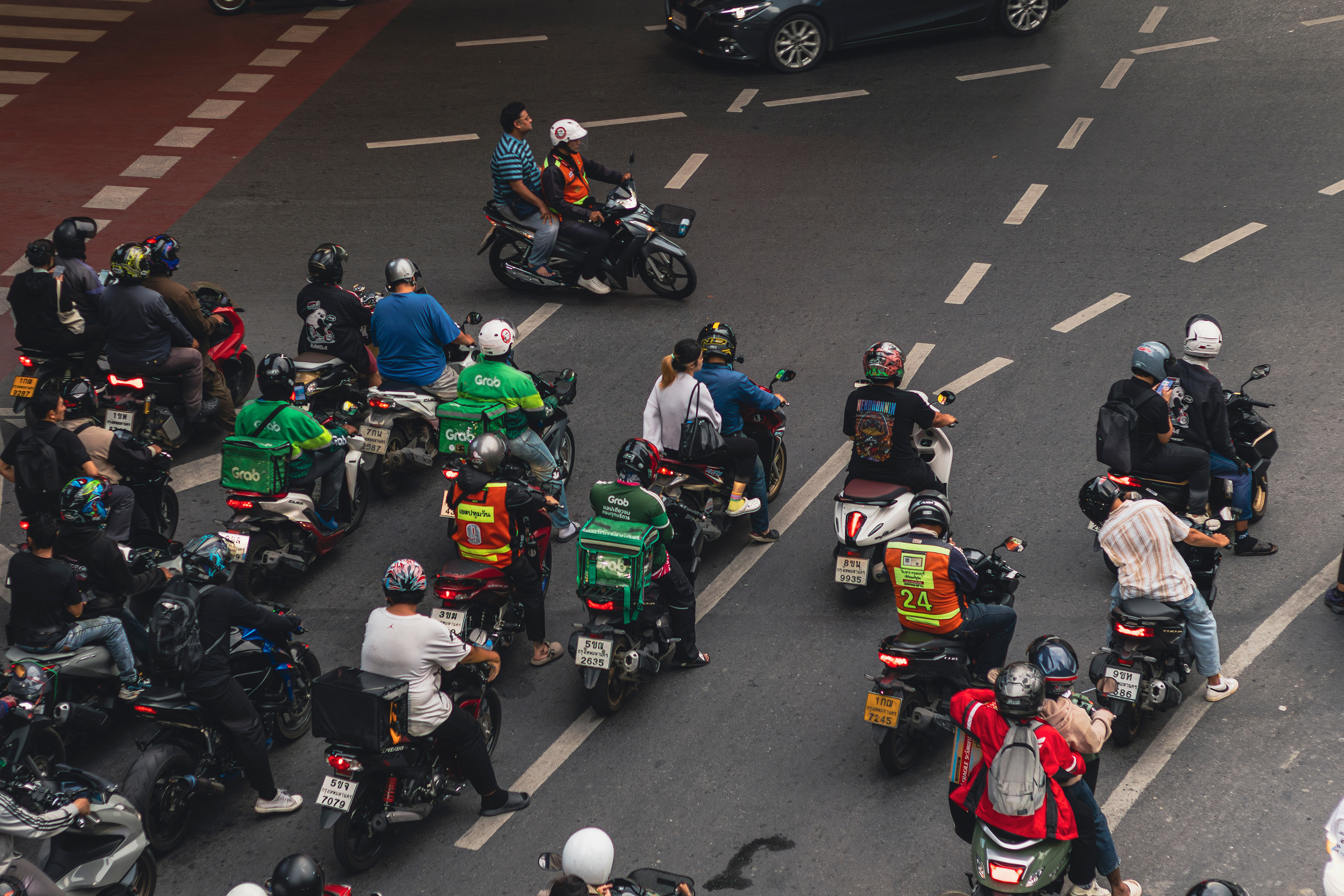
Consequently, people shift to cars, taxis and delivery apps, which increases emissions, worsens congestion and deepens dependence on air-conditioned transport. This creates a vicious cycle: more vehicles generate more heat and pollution, making walking even less appealing and pushing cities further into high-carbon modes of living

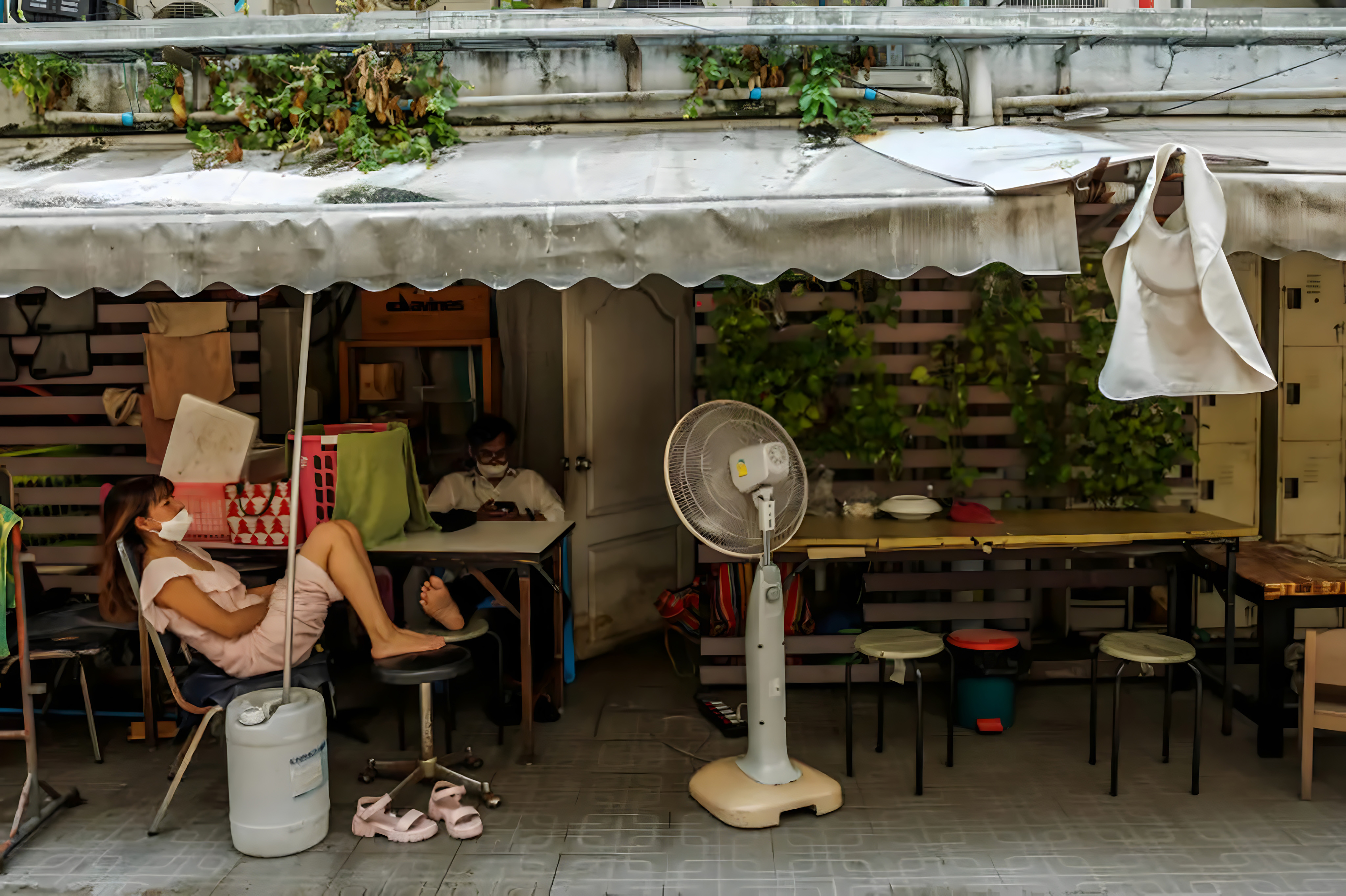
Climate projections offer little comfort. Southeast Asian heatwaves are expected to last longer and strike more frequently, threatening public health, labour productivity and economic output. In a region where many still work outdoors or in informal economies, the inequality implications for inequality are stark: those without access to cooled interiors or shaded routes suffer most.

Yet the challenge also presents an opportunity to redesign our cities for resilience. The 15-minute city works in the tropics, but only if it is designed around human comfort in extreme conditions.

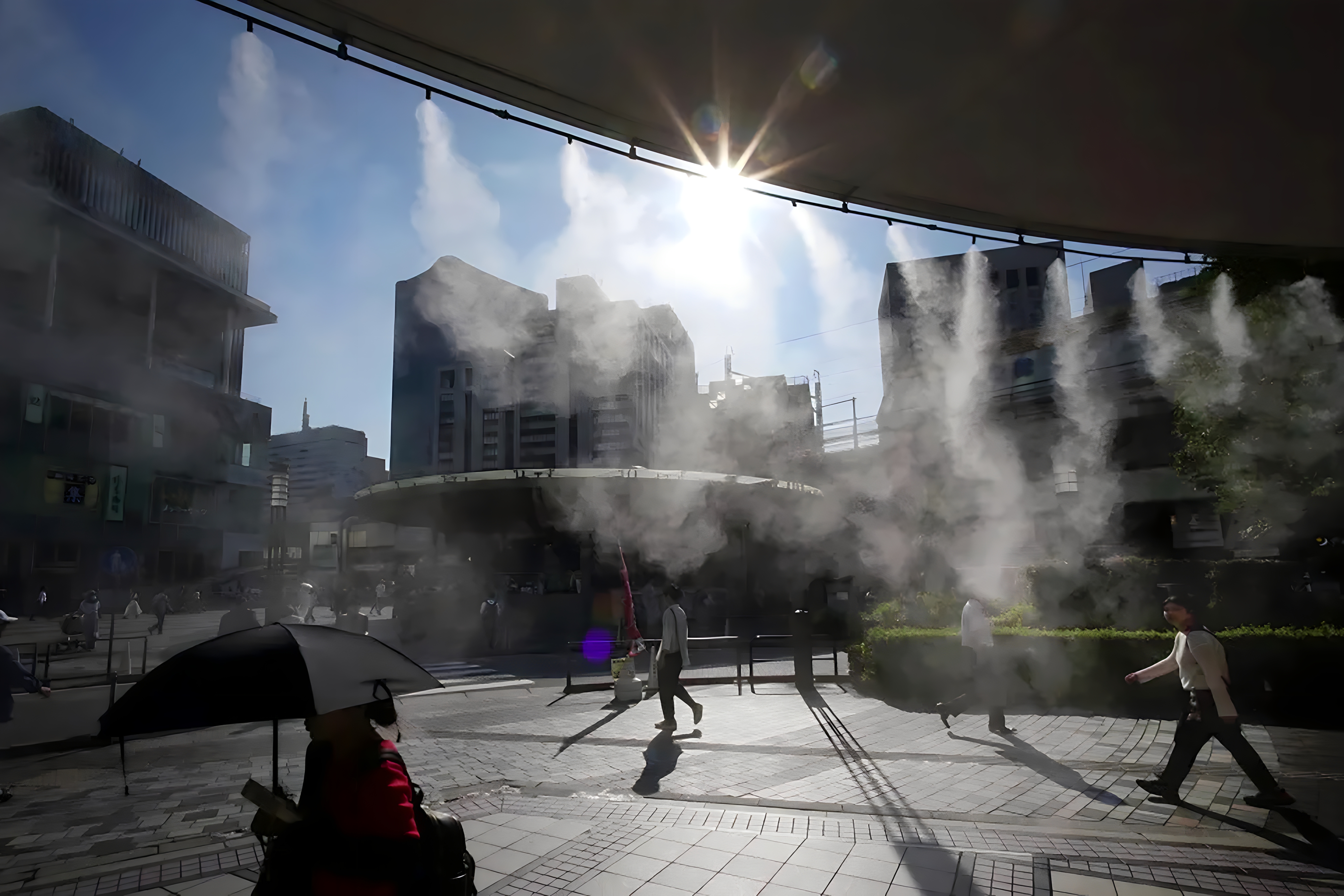
Cities need pedestrian-first infrastructure: extensive networks of green corridors and mature trees to cool pavements; covered walkways fitted with misting systems to combat humid heat; and the use of cool materials for surfaces. We also need to leverage technology, such as the data-driven routing tools explored by MIT’s Senseable City Lab, which guide walkers along the coolest, most comfortable paths.

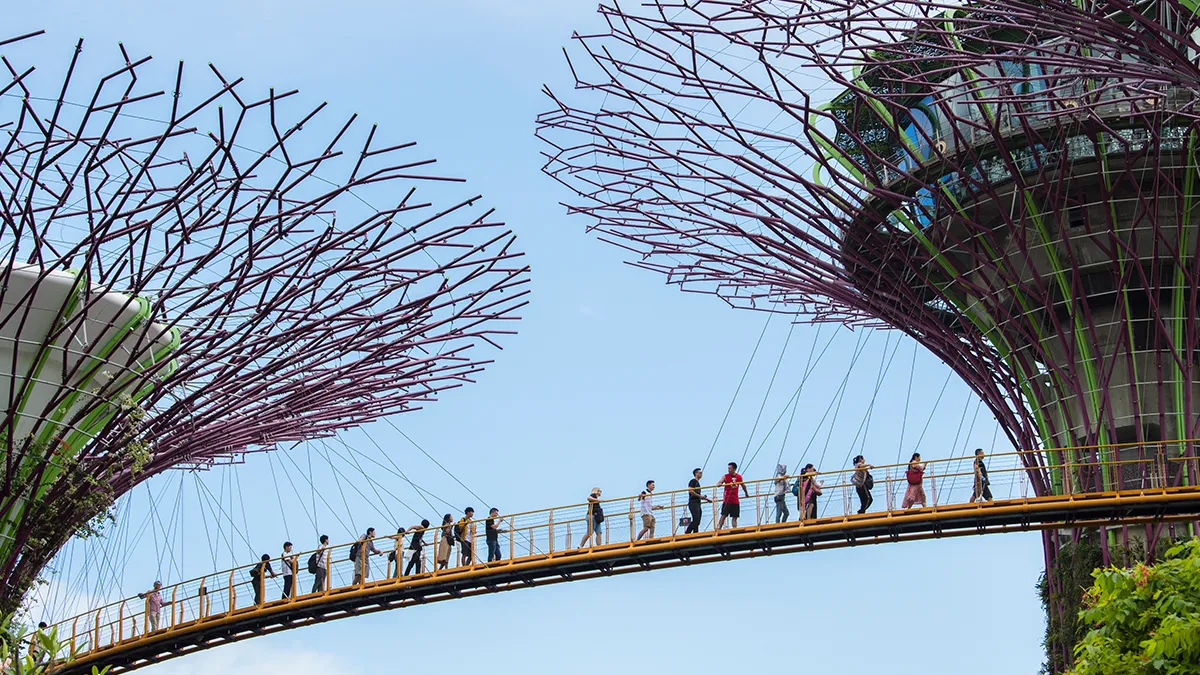
Singapore offers valuable lessons, blending vegetation, shade structures and reflective surfaces to mitigate heat. Similar adaptations in Hong Kong and Bangkok could make walking the natural choice again – instinctive, low-carbon and social. When shade and cooling turn streets into tolerable arteries rather than punishing expanses, people will choose active mobility over cars.

Asia’s tropical cities stand at a pivotal juncture. Extreme heat is forcing a reckoning with the limits of conventional urban design. By treating thermal comfort as a core metric of livability – on par with density or connectivity – policymakers can transform a threat into the catalyst for greener, more inclusive neighbourhoods. The 15-minute city doesn’t have to stay theoretical in the tropics. With deliberate adaptation, it can become a practical, fair reality for a warming world.