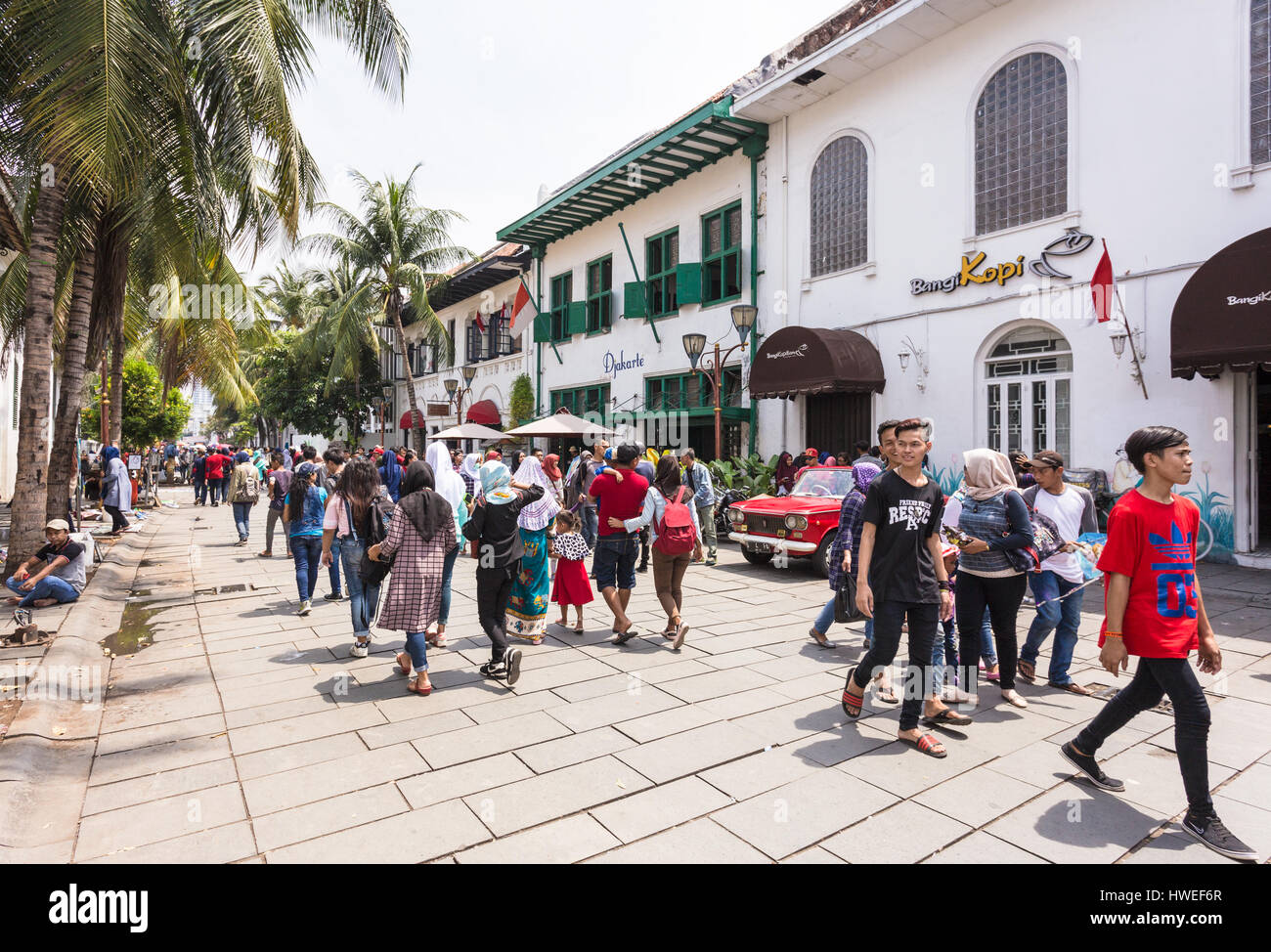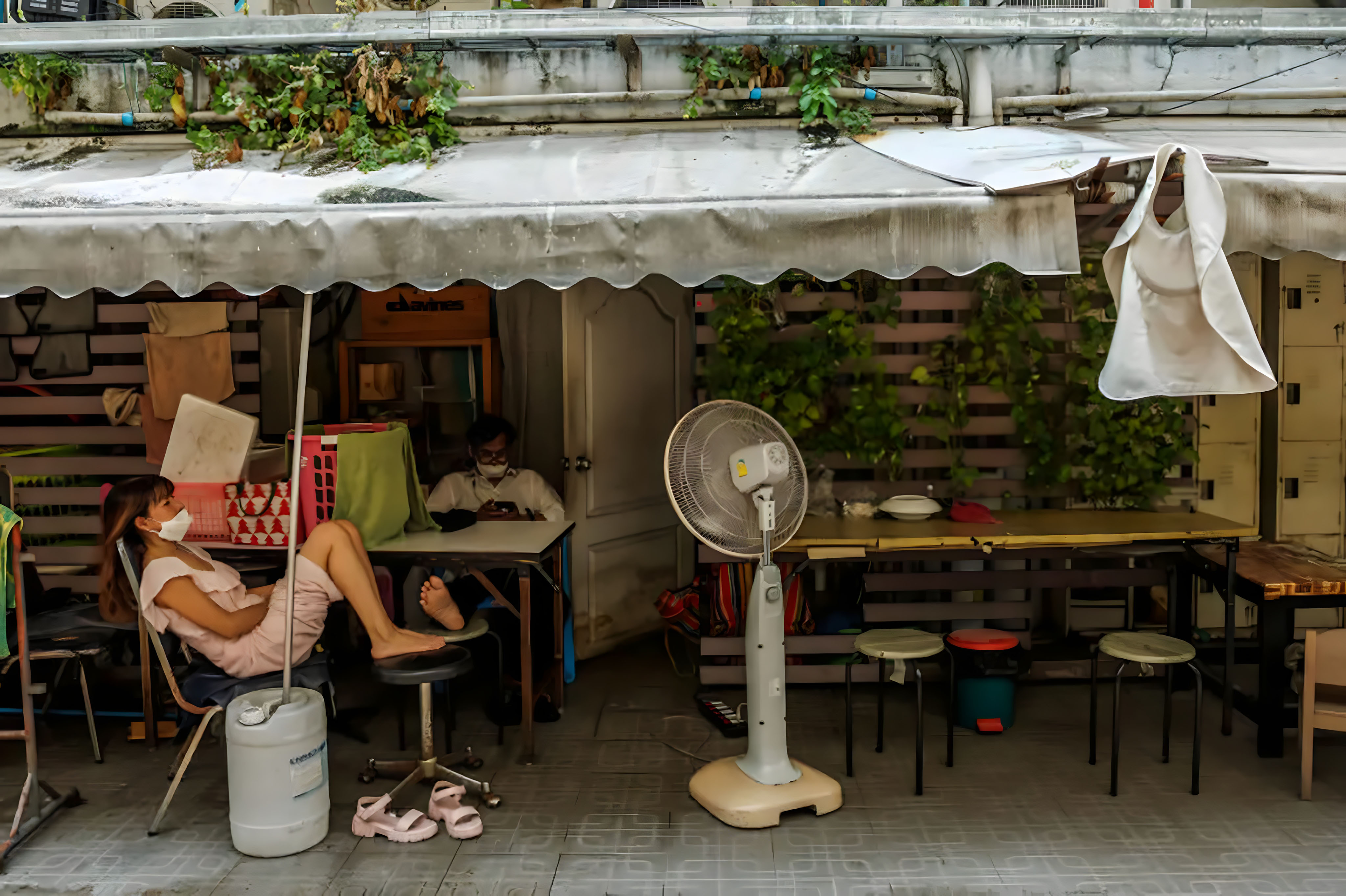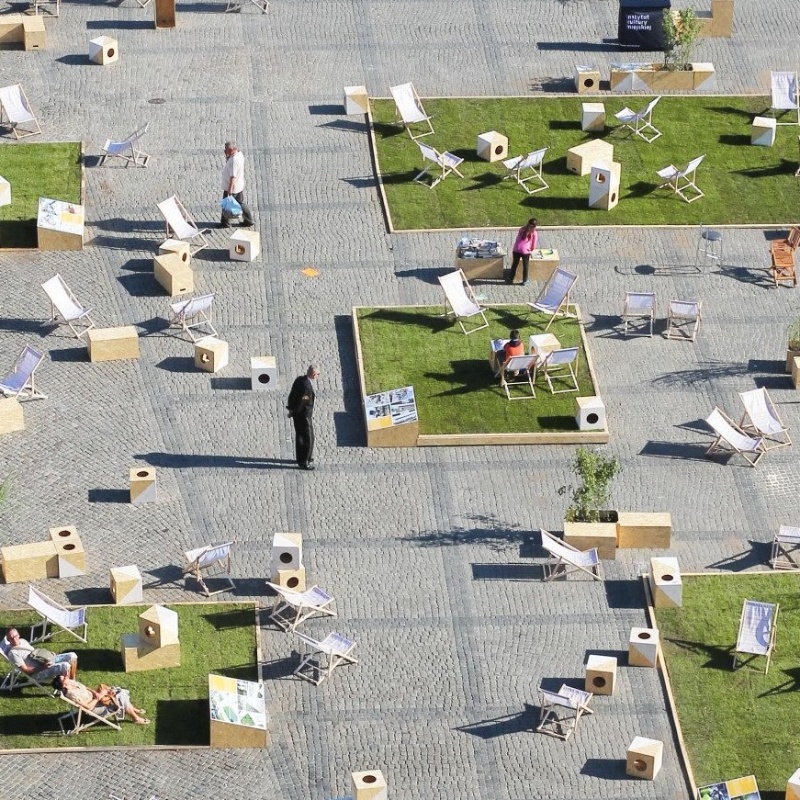
图片来源:Philip Clarke
午休时分,Emily 端着咖啡倚在工位椅上,随手点开一款社交软件。屏幕立刻弹出十二个系统推荐的用户——算法判定这些人符合她的偏好。可她连一个人的资料都没点开:光是想到要重新介绍自己、硬找话题、再小心翼翼接住对方的每一句话,就已疲惫不堪。
消息列表里还躺着几个此前匹配成功的人,对话框都停在好几天前:有一个,她发去“最近忙不忙”,对方隔了十二个小时才回一个“嗯”;有一个聊了两天便突然失联,三天后又若无其事地出现,解释“不好意思,刚看到”;还有一个,资料写得颇有趣味,可聊起来却句句像面试,追问她在哪工作、平时有什么爱好、周末怎么安排。Emily 盯着这些对话框,忽然觉得有些荒唐:珍贵的午休时间,她却在这里硬着头皮和陌生人搭话,假装感兴趣、假装自然;这并非相遇,而是一种无谓的消耗。最终,她一条消息也没回,径直关掉了软件。
这样的经历,很多人都曾有过,也成了当下约会圈最普遍的状态。“刷屏疲劳”早已蔓延,滑动屏幕带来的那点新鲜感,被日复一日的重复迅速消磨:每次配对成功后,迎来的往往是千篇一律的尴尬开场白,最后大多不了了之。
于是,越来越多的单身人士,尤其是年轻人,开始主动远离约会软件。过去一年,一个明显的变化正在发生:曾被视作时髦的“刷软件约会”,如今在不少人眼中反而成了负担。Z 世代坦言,放下手机、回到线下认识他人,是一种自我关照。《卫报》等媒体也报道过,不少人删除约会软件,只为守护心理健康,给生活留一份偶遇的可能。归根结底,刷软件带来的新鲜感早已消耗殆尽。
女性用户的感受更为强烈。安全顾虑、遭遇骚扰、线上期待满满而线下却大失所望,是她们最常提及的烦恼。约八成女性用户对约会软件存在不同程度的倦怠,比例略高于男性。最常见的不满包括聊天时突然失联、互动流于表面,以及始终无法建立真正的情感连接。也有四成用户表示,找不到合适的伴侣,是他们离开约会软件的主要原因。
这种约会倦怠的背后,藏着人们对真实情感连接的深切渴望。就连 iPhone 设计师乔纳森·伊夫(Jony Ive)也公开表达过担忧:他认为,当下的数码产品正让人愈发孤独、愈发疏离,而技术的初衷本应是帮助人们建立更深厚的现实联结。
而这种对真实连接的渴望,并未停留在口头抱怨上,而是早已转化为实实在在的行动。活动组织者反馈,单身聚会、速配之夜和兴趣小组聚会的场次近来大幅增加。Eventbrite 的数据显示,自2019年起,英国线下约会活动的数量便显著增长;随着人们对约会软件的倦怠感加深,这一趋势仍在加速。越来越多人尝试用“老派”的方式邂逅美好,追求更自然的情感连接,而非没完没了地浏览陌生资料。
人们选择在哪里相遇,本身就承载着特殊意义。线下社交的回潮,也让我们有机会重新审视城市里那些未被充分利用的空间。这些地方不该被当作过时的遗留物,而应成为人们真正能够遇见彼此的港湾。归根结底,场所营造的核心,是围绕人们的生活与相处需求来设计空间:它关注的不只是空间的用途,更在意身处其中的人们会产生怎样的联结。
那么,什么样的空间才适合这样的线下相遇?吉隆坡一处废弃的铁路调车场,恰好给出了答案。

在有着悠久历史的吉隆坡 Sentul Depot 火车站场内,有一座名为 PickleDepot 的新场馆。里面宽敞的匹克球和板式网球场,正迅速成为热门的社交聚集地。这里定期举办各类轻松、以娱乐为主的活动,邀请人们在放松、包容且绿意盎然的环境中锻炼身体、结识朋友。
%20(1).png)
匹克球比网球更容易上手,却保留了双打带来的强社交属性,这几年已成为一股全球热潮。但它的吸引力远不止于运动本身——这种简单的形式压力更小、氛围更活力,也更能化解陌生人初次见面时的尴尬。
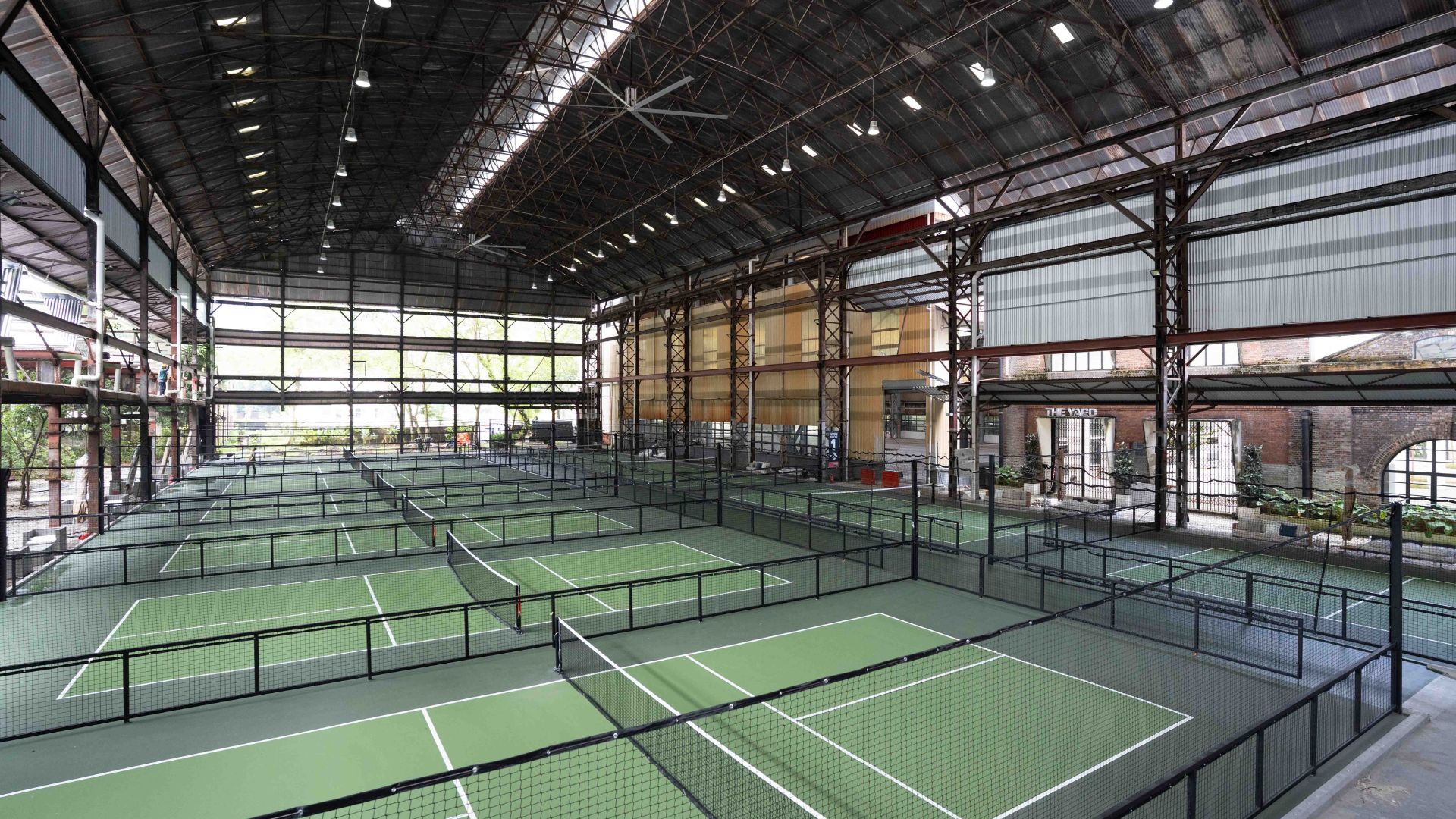
球场、咖啡馆、社交空间,无论白天还是夜晚,这里的每一处细节都在为人们提供舒适的体验与自在的氛围。这座曾经的工业厂房,如今已成为一个把运动、休闲和社交融为一体的城市空间。更难得的是,场地自带的工业气质赋予它一种新建场馆难以复制的质感——它不像一个单纯的健身房,更像是一个你愿意花上周六一整天慢慢待着的地方。
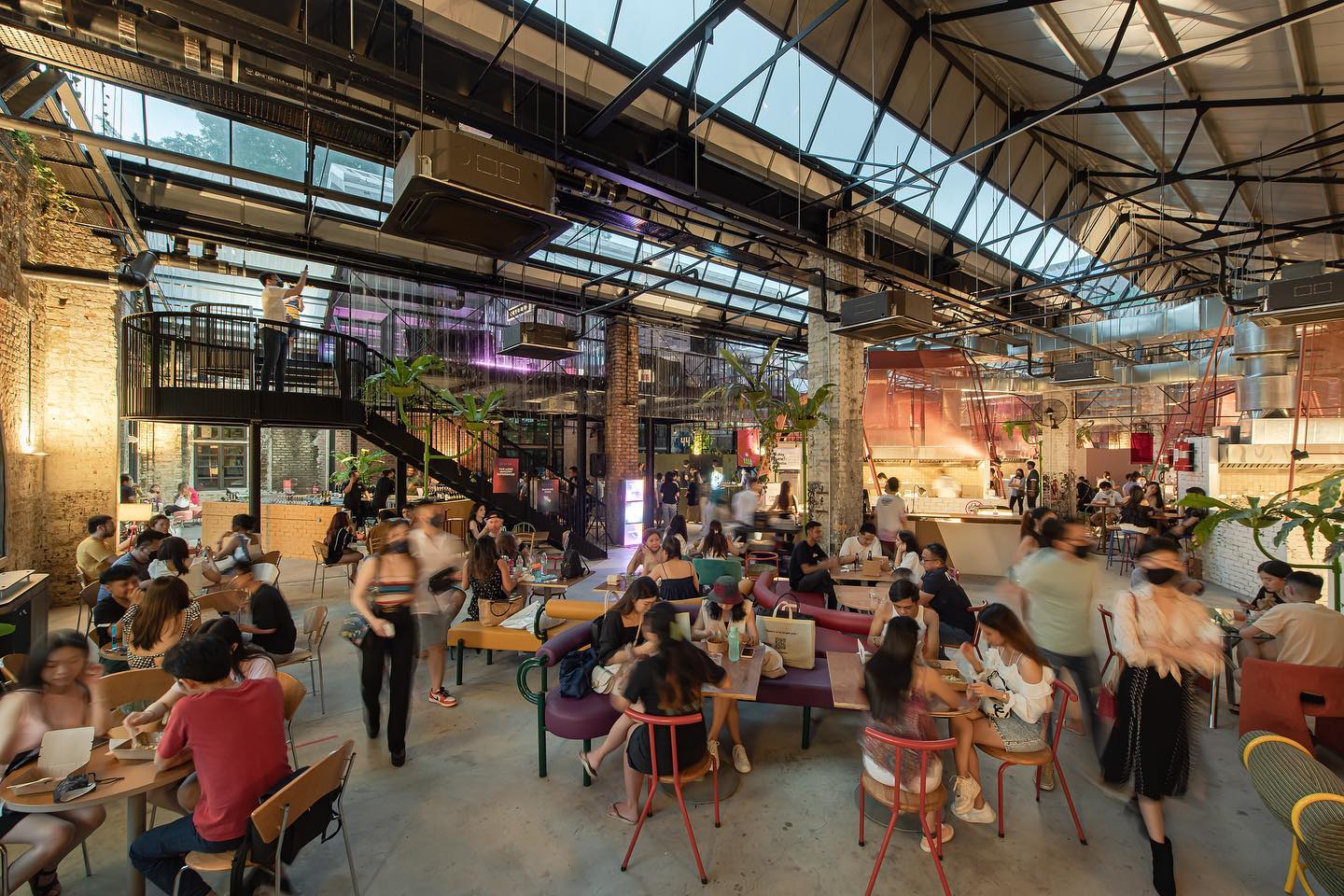
当越来越多人选择走出屏幕、回到线下,城市中那些被忽视或闲置的空间,便有了被重新激活的可能。废弃的铁路站场可以变成社交中心,一个普通的球场也能成为人与人连接的起点。这或许正是“场所营造”最朴素也最有力的意义:不是为空间赋予多么宏大的定义,而是让它真正为人所用,为人与人之间的真实相遇提供土壤。