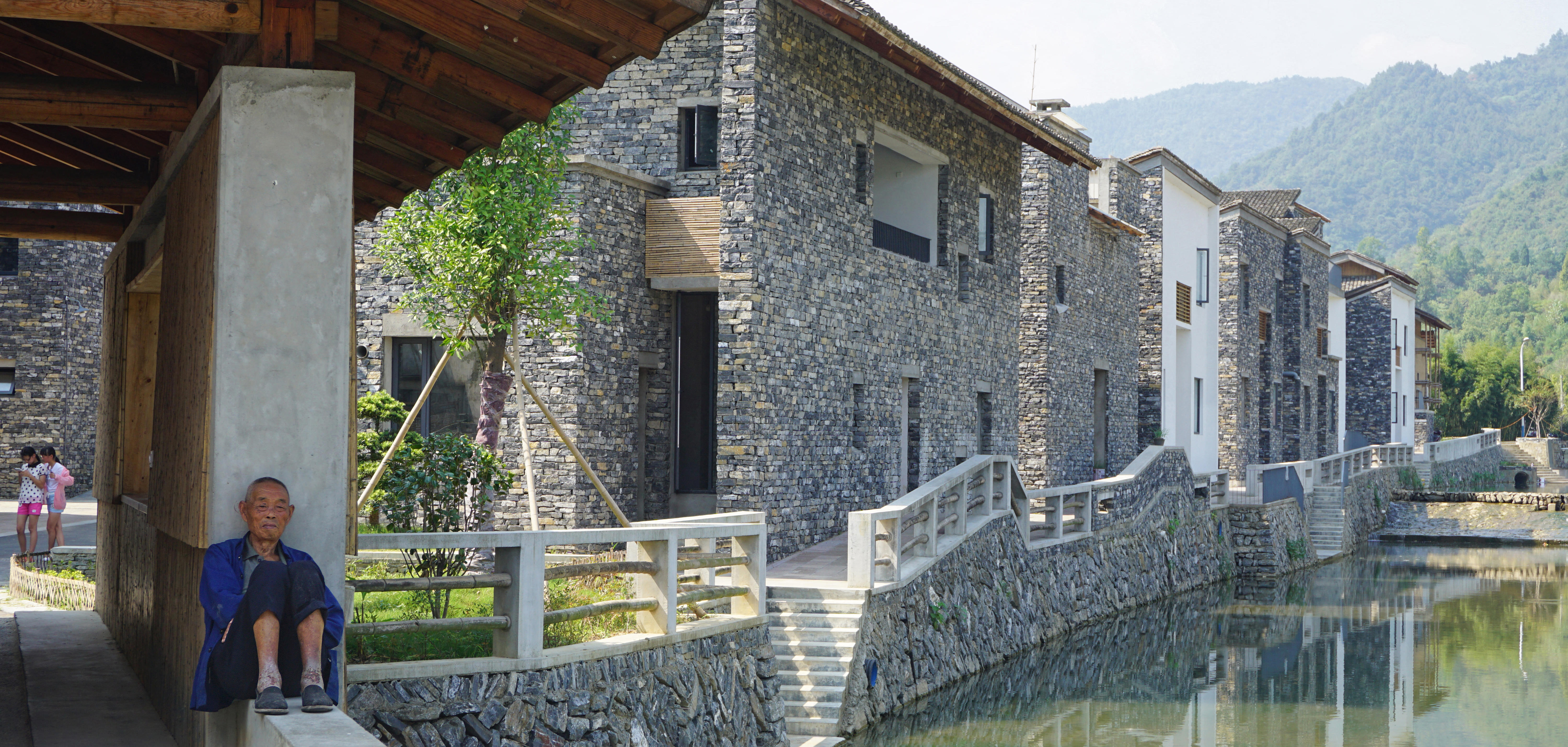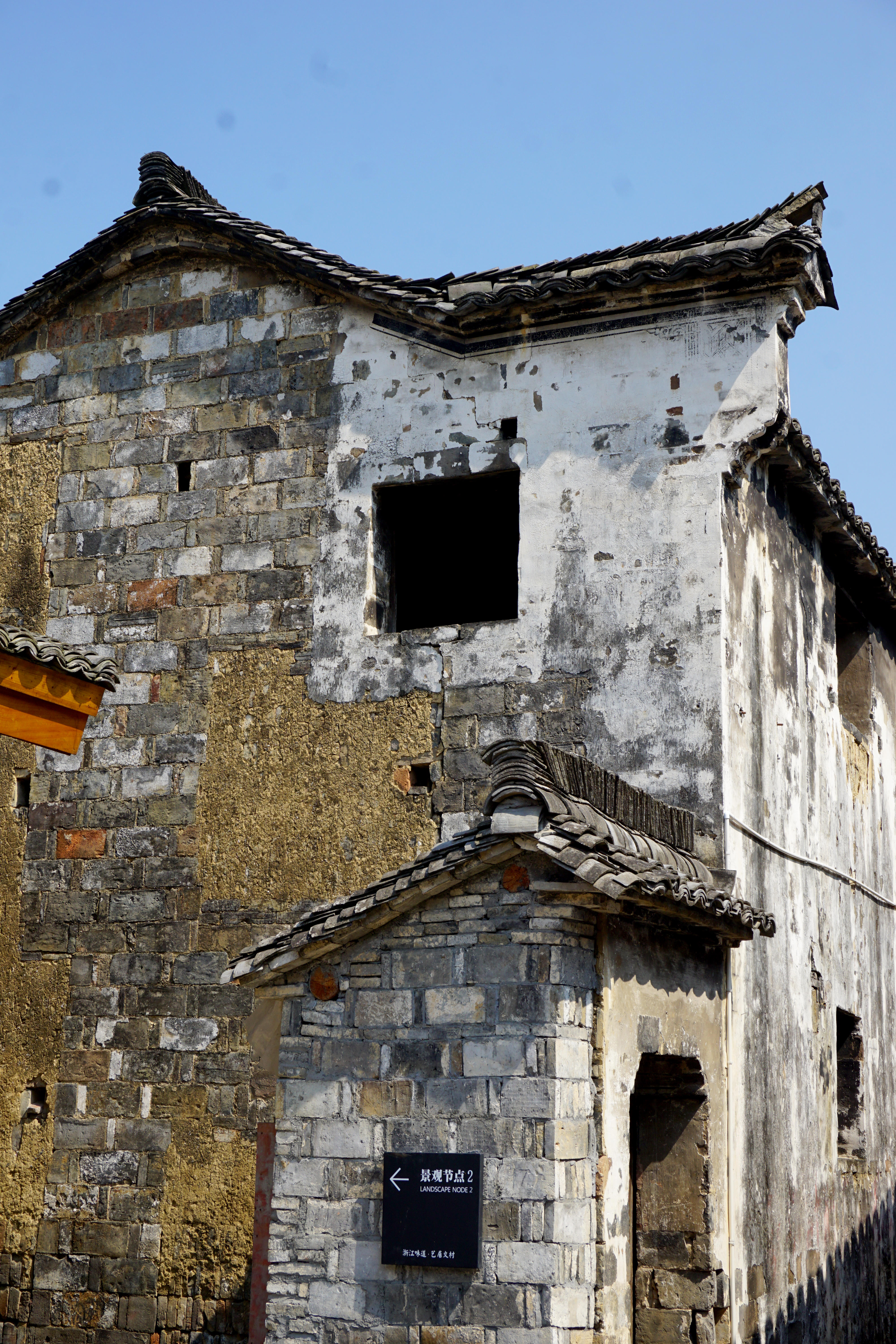
On a humid evening in Wencun, a 400-year-old village in Zhejiang’s Fuyang district, the old lanes still follow the grain of rural life. Stone walls, tiled roofs and timber frames sit beside newer brick houses; courtyards open onto vegetable patches, bridges and narrow paths that wind along a creek. The texture is neither museum-piece heritage nor wholesale redevelopment, but something layered: repairs, additions and new insertions negotiated around everyday use.
This texture stands in sharp contrast to the standardised villas, scenic town makeovers and high-rise compounds that have come to define much of China’s development. But the liveliness of places like Wencun didn’t come from a masterplan — it came from generations of small interventions by villagers themselves. As Asian cities balloon and development reaches deeper into their surrounding villages, perhaps the most important lesson isn’t about what to build, but what to preserve — and what to learn from places that have developed more organically.
Old villages such as Wencun — or the dense informal enclaves in cities from Jakarta to Guangzhou — often suffer from real drawbacks. Infrastructure can be chaotic or neglected. Narrow lanes, overloaded buildings and fragmented utilities create health and safety problems. Loose regulation can overlook self-built extensions that block light or fire exits. Extreme density can strain sanitation, public services and, ultimately, quality of life.
And yet the flip side of that disorder is vitality. With so much improvisation and incremental adaptation, urban villages evolve organically. The tangled alleyways, rooftop gardens, spontaneous marketplaces and mixed-use stalls generate a kind of dynamism that planned developments rarely match. Residents don’t just live there — they produce, trade, socialise and adjust space to meet shifting needs. The result is a layered, fine-grained urban fabric in which public and semi-public space, private homes, commerce and community are woven together.
But many of these villages are being bulldozed. In China, redevelopment campaigns increasingly raze informal settlements in favor of standardised high-density towers and glossy new neighbourhoods. This is repeated across the region. Still, there are two bright signs of hope — glimpses of how cities might learn from the villages they absorb.
First: Wencun. Rather than turn the village into a heritage theme park or start again from scratch, Wang Shu and Lu Wenyu of Amateur Architecture Studio worked with local authorities, developers and villagers on a conservation and regeneration project from 2012 to 2016. Old stone walls, lanes and water channels were revealed and reused; traditional houses were repaired with local craft; new bridges, paving, public spaces and a school were added. And crucially, villagers were involved in the process. The point was not to freeze Wencun in amber. It was to make the old fabric usable again, letting new architecture clarify and support the existing village rather than overwhelm it. Instead of erasing the past, the project amplifies it.
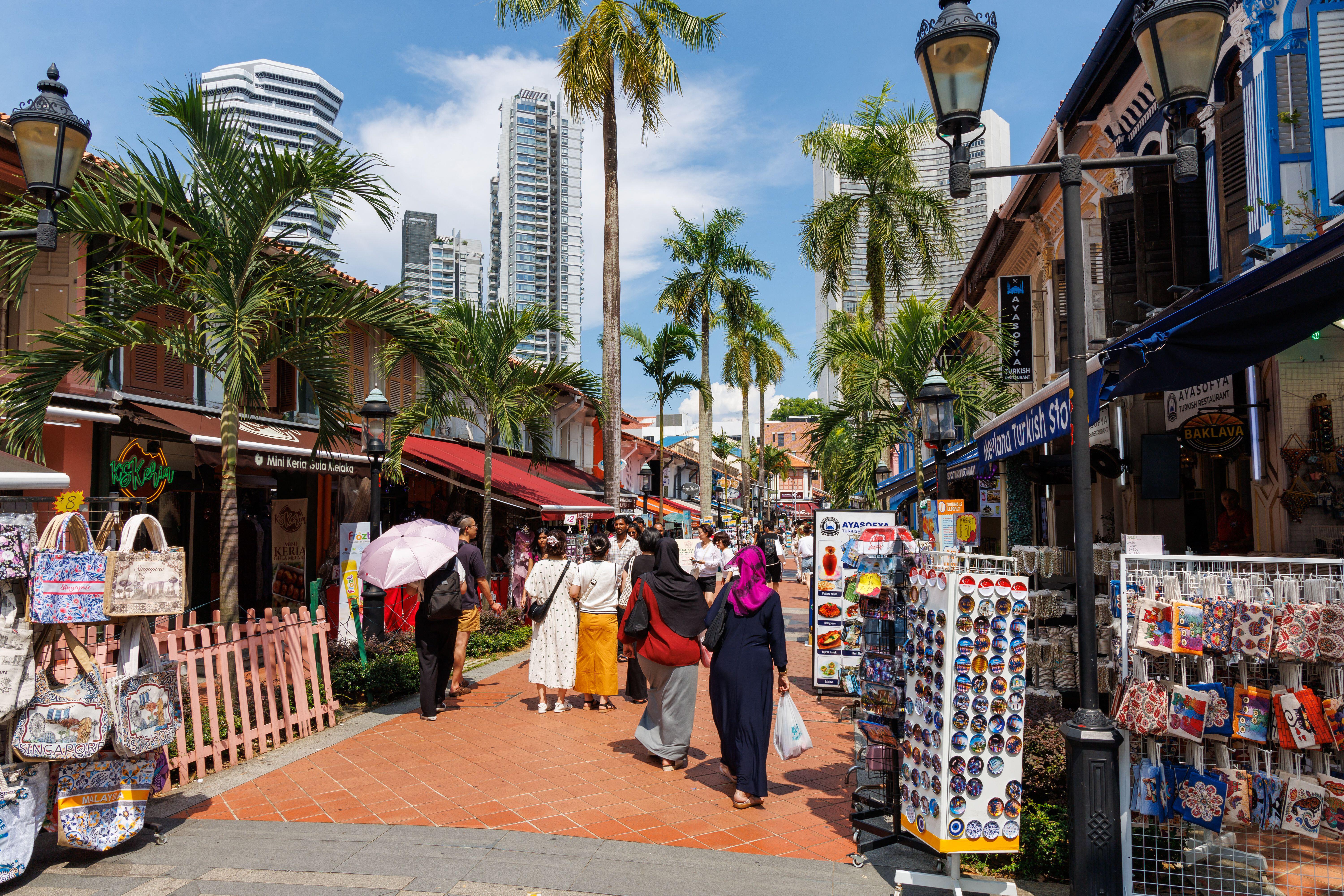
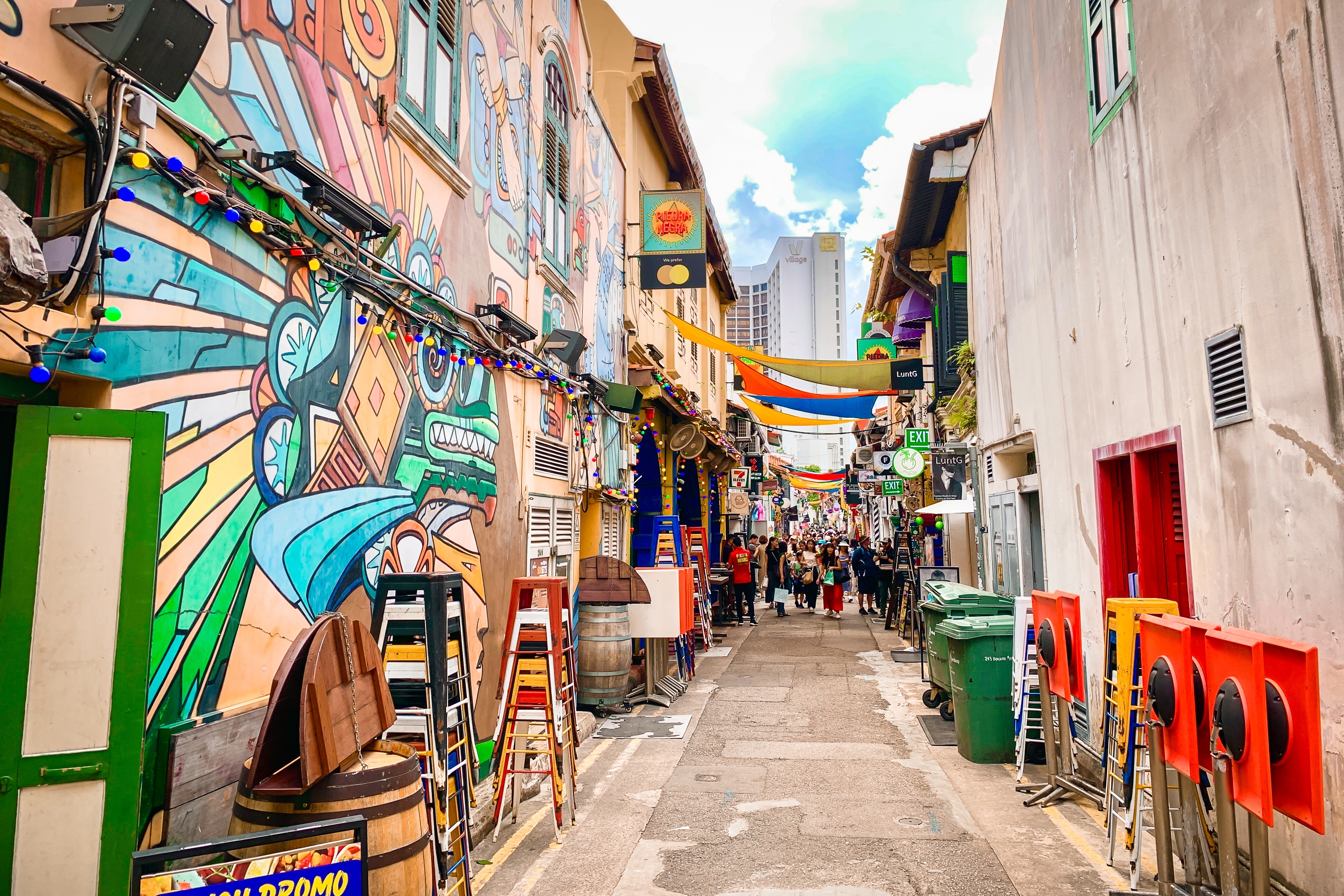
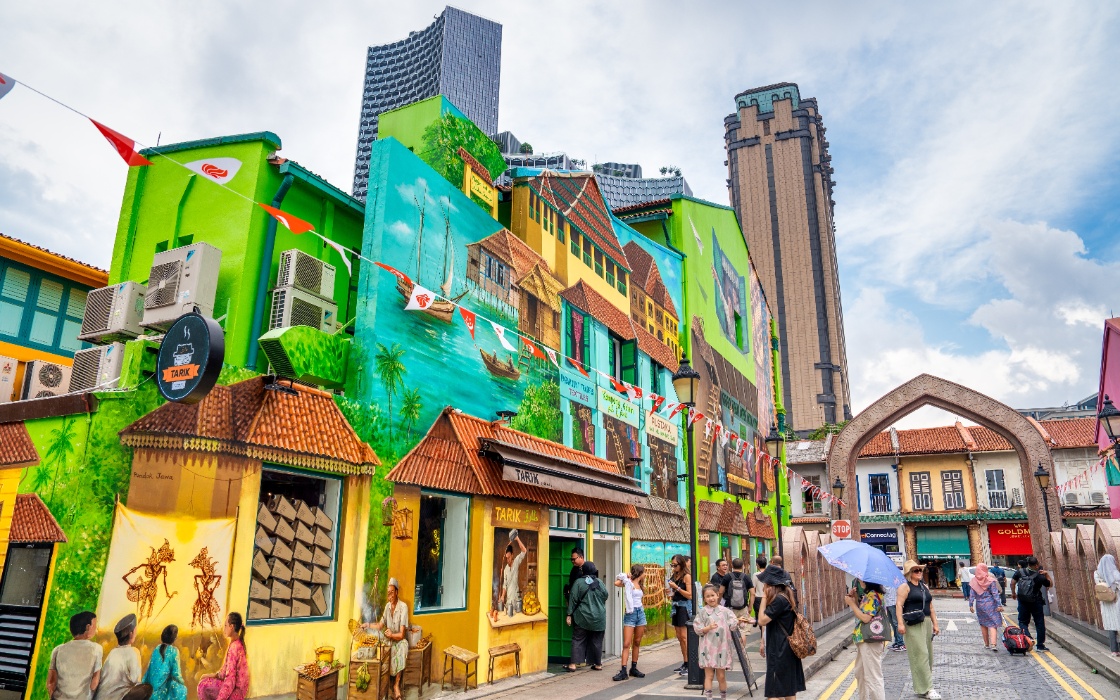
Meanwhile, Singapore is seeing a renewed focus on ‘kampong spirit’. Though most of the city-state’s traditional villages have disappeared over the years, the notion of what’s known in Indonesia as gotong royong — mutual aid and collective well-being — has made its way into urban planning strategies like the 2023–2028 Place Plan for Kampong Gelam, a historic neighbourhood in the iconic Malay quarter. The plan calls for community-led public space improvements, heritage-related public art installations, cultural mapping and improvements in connectivity. This isn’t about nostalgia — it’s about recognising that a village spirit can survive, even thrive, under modern urban conditions. And the city can thrive with it.