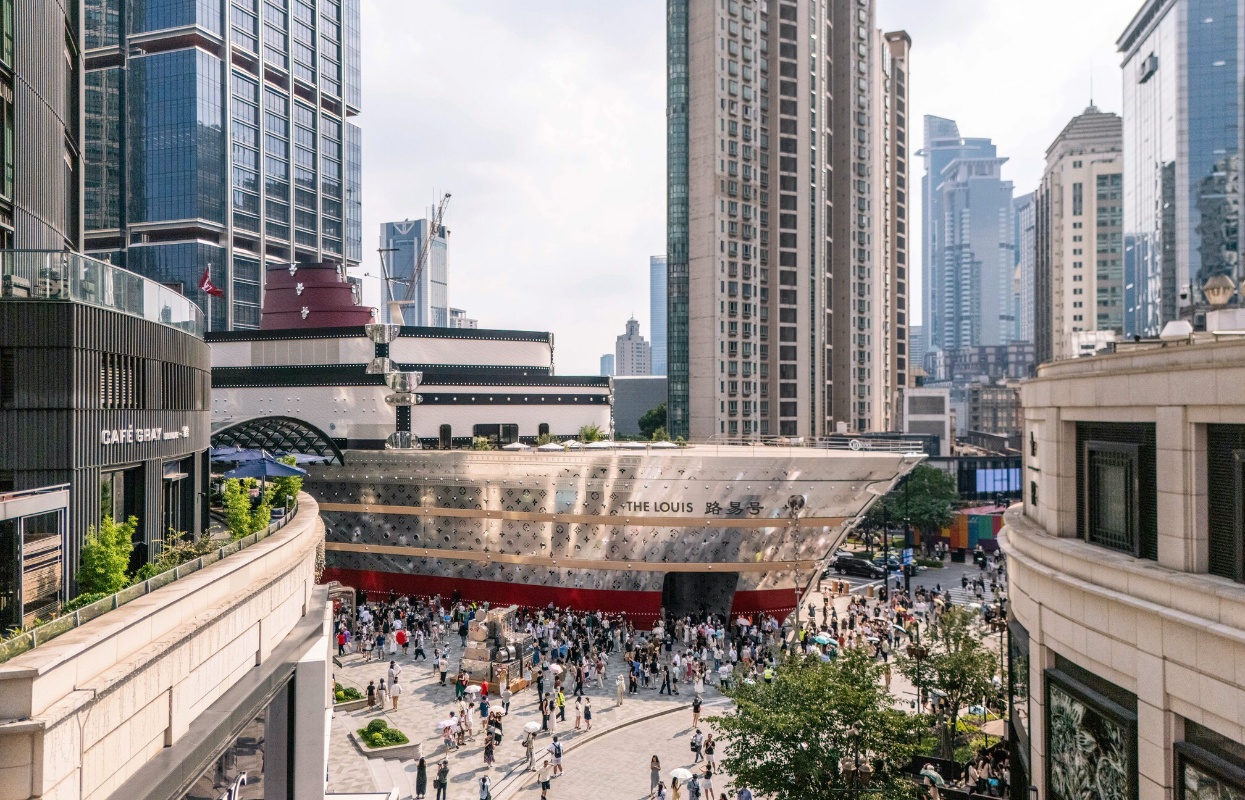
Photo Credit: HKR International.
Opening the Edge: How HKRI Taikoo Hui Renewed a Shanghai Landmark Through Public Realm
In dense city centres, commercial success is often framed in terms of brand mix, leasing strategy or tenant curation. But at the most resilient urban destinations, value is also shaped by something more fundamental: how a place meets the city. That question sits at the heart of placemaking.
That is what makes HKRI Taikoo Hui’s recent transformation significant. Set in Shanghai’s Jing’an District along West Nanjing Road, the development is already one of the city’s most established mixed-use addresses, combining luxury retail, Grade-A offices, hotels, serviced apartments and heritage elements on a high-profile central site. The challenge was not to reinvent it, but to renew it by making an already successful destination feel more open and more inviting in the context of contemporary urban life.
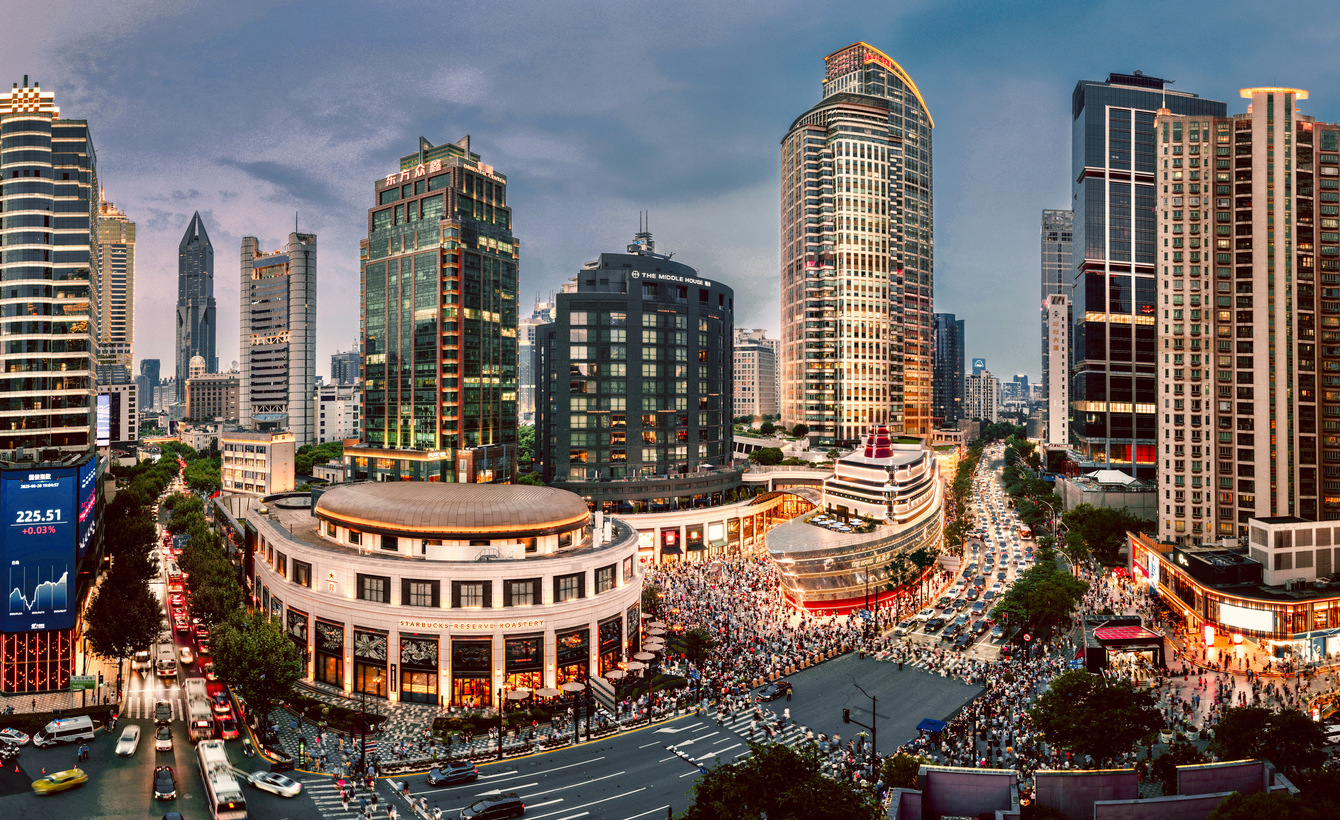
The Oval Partnership’s response focused on all landlord-controlled exterior areas: entrances, pedestrian connections, landscape and the street-level interface. It was a precise intervention, but one intended to deliver broad impact. Rather than treating the exterior as backdrop, the project understood it as an active part of the destination’s performance and of its placemaking role within the district.
From boundary to invitation
Mixed-use developments can work well internally while still feeling closed off from the street. HKRI Taikoo Hui had the scale and prestige of a premier address, but its next phase called for a more porous relationship with the surrounding district.
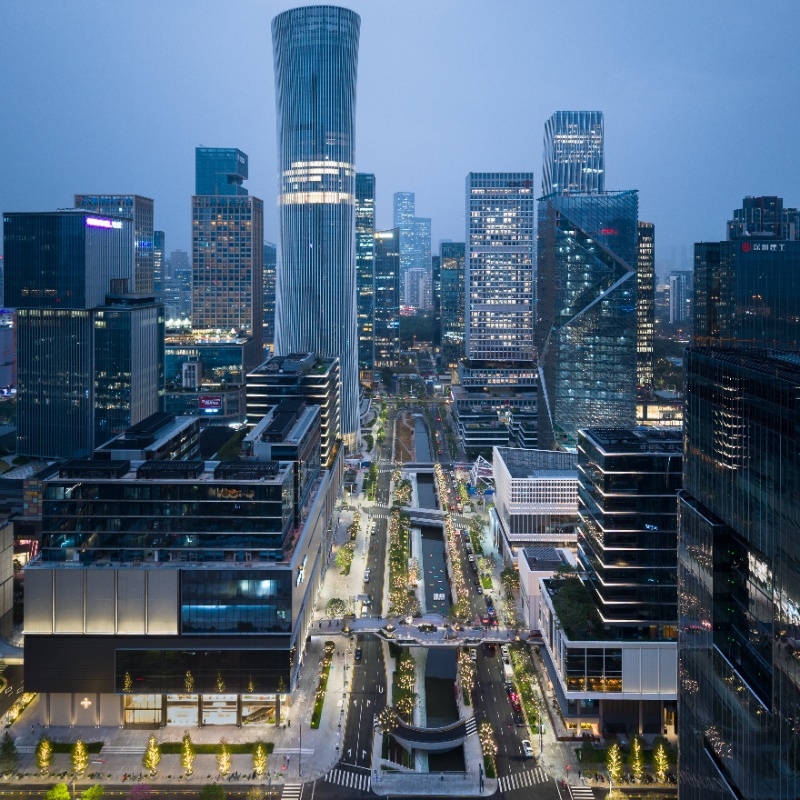
The upgrade addressed that directly. Along Shimen 1st Road and Weihai Road, street edges were redesigned to feel more intuitive and inviting, while pedestrian links to metro lines 2, 12 and 13 were made clearer and easier to navigate. Indoor and outdoor spaces were better aligned so that arrival felt less like a threshold crossing and more like a continuation of the city. This stronger connection to the surrounding streets is a quiet but important placemaking move.
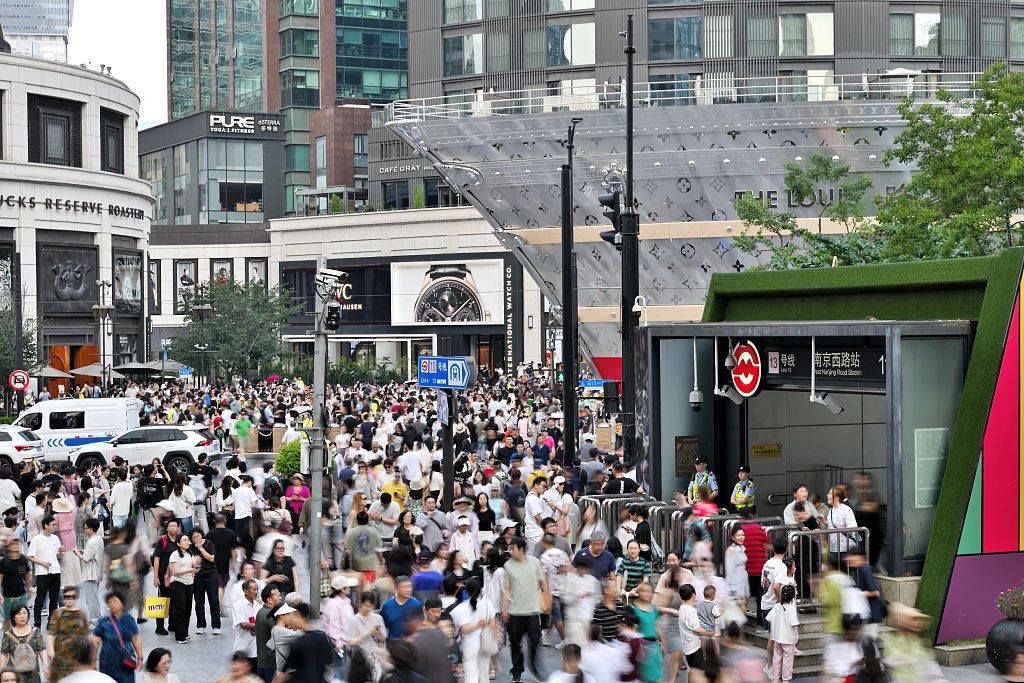
In Shanghai, the strongest destinations are rarely isolated developments. They are part of a broader pattern of walking, transit, encounter and display. By improving how people arrive and move through the site, the project strengthened HKRI Taikoo Hui’s role not only as a retail destination, but as part of the city’s public life.
Designing for rhythm
A notable aspect of the upgrade is that it does not treat movement as efficiency alone. The project differentiates experience across the site, creating a faster, transit-oriented character in the north and a slower, naturally lit public realm in the south. That contrast gives the development a more nuanced rhythm – one that accommodates commuting, browsing, gathering and lingering without collapsing them into a single retail logic.
This is where design becomes strategic rather than cosmetic. Circulation shapes dwell time, comfort, visibility and atmosphere. Landscape, spatial sequence and street interface influence how long people stay, how they discover tenants and whether a destination feels transactional or social. In that sense, placemaking is felt in everyday use rather than stated outright.
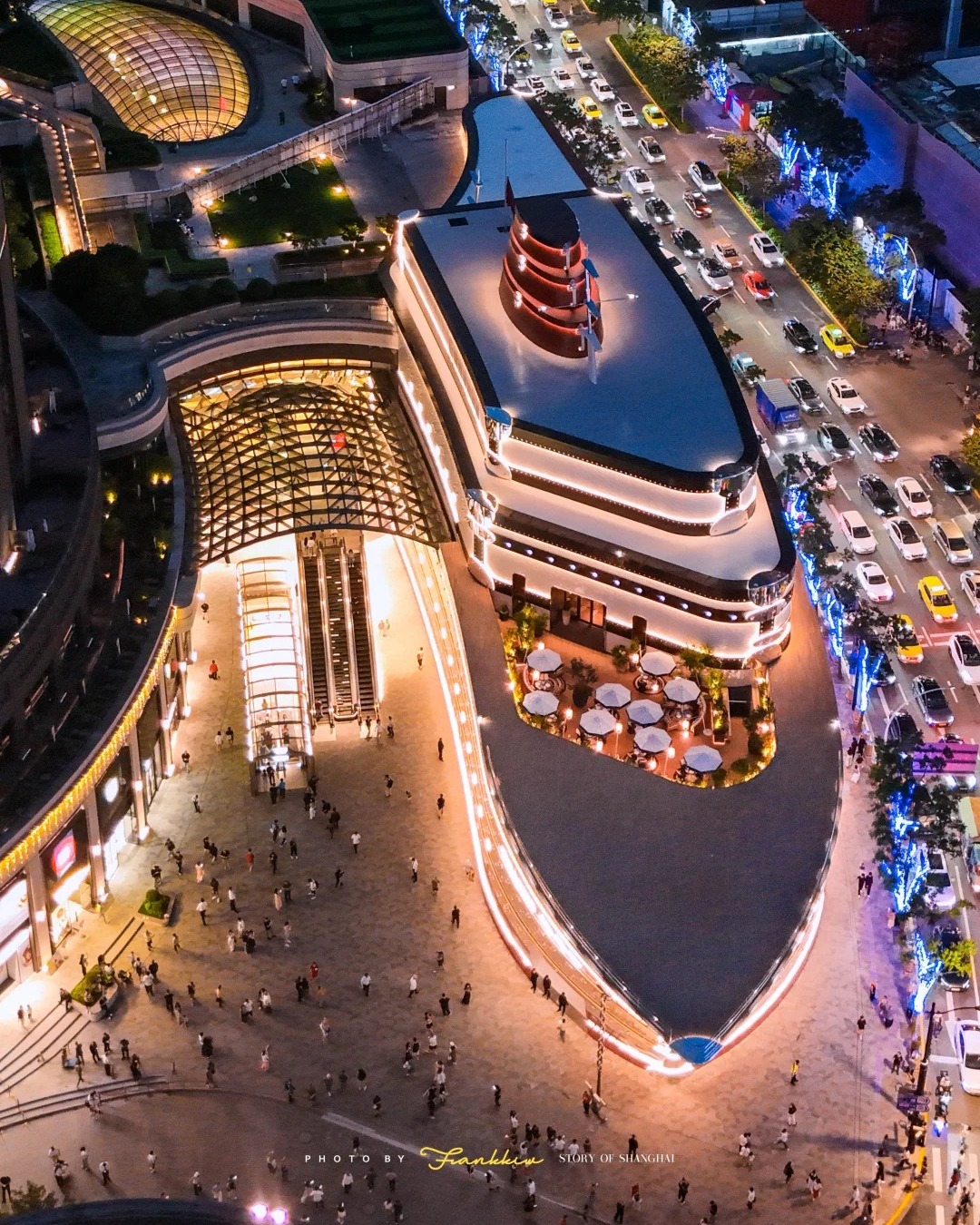
Those adjustments helped create the conditions for a new commercial chapter. Since 2023, the project has introduced more than 20 first stores in China and over 30 global flagship and concept stores. The arrival of major experiential tenants – most visibly Louis Vuitton’s boat-shaped concept store, The Louis – signals a shift in both leasing profile and public identity.
Value beyond the site
The commercial results suggest that this strategy is doing more than improving appearances. In the first quarter of 2026, HKRI Taikoo Hui’s retail sales rose by more than 80 per cent year on year, while footfall more than doubled. During the 2026 May Day Golden Week, the project helped drive a 52.37 per cent increase in retail sales across the West Nanjing Road commercial district, ranking first in the city.
Those figures matter not just as performance metrics, but as evidence of a broader urban effect. By the end of 2025, improvements to surrounding pedestrian routes, including Shimen 1st Road and Weihai Road, had further opened the site’s boundaries and strengthened the district’s walking experience. They also show how placemaking can generate value beyond the site itself.
A mature form of city-making
HKRI Taikoo Hui’s upgrade is compelling because it is disciplined. It shows how targeted interventions can unlock significant returns. More importantly, it reflects The Oval Partnership’s broader approach to city-making: design as a tool for connection, adaptability and long-term relevance.
In a market as competitive as Shanghai, that matters. The future of mixed-use is not only about bigger buildings or louder statements. Sometimes, it begins at the edge, with the decision to make a place more open to the city around it.